
Private label vitamin c serum, made for your brand
Plan a private label vitamin C serum for a brightening look in BFS single-dose packs, glass ampoules or bottles. BFS MOQ is 10,000 units per formula; glass is 1,000–2,000; bottles are quoted per product. Standard samples take about 7 days and production about 15 days after confirmations.
Huaze Ruifu, our designated manufacturing partner.
Request a quote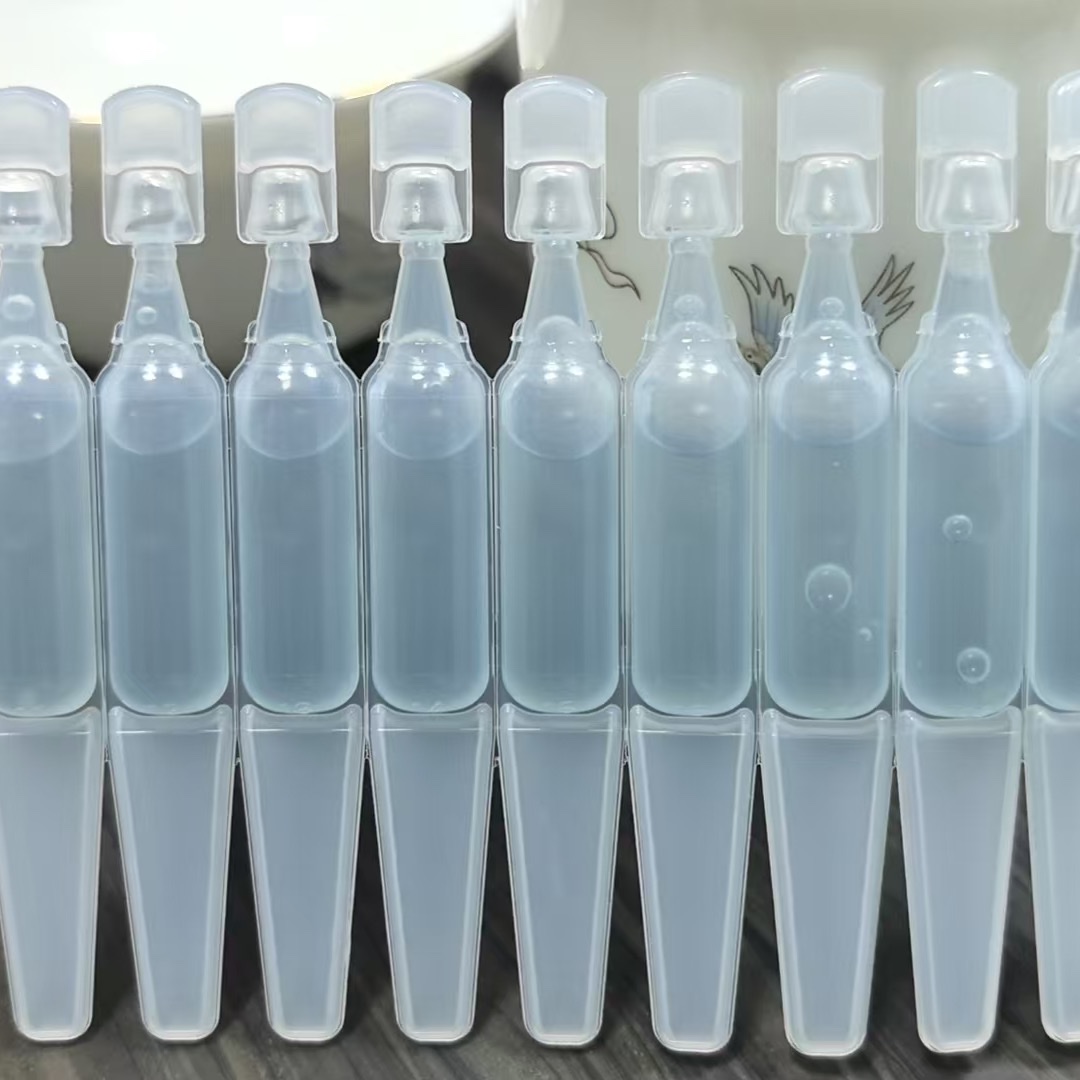
Samples: about 7 days. Production: about 15 days. Counted from confirmation of the formula, artwork and packaging materials; standard specifications.
MOQ: BFS single-dose 10,000 units per formula · Glass ampoules 1,000–2,000 units · Bottles: quoted per product
Custom molds, new formulas and stability testing are quoted separately.
Why brands choose Vitamin C
Vitamin C gives a serum range a recognisable radiance direction. A useful product brief focuses on a brightening look, an even-looking tone and a finish that works with the rest of the routine. Decide whether the desired experience is a fresh fluid, a cushiony essence or a richer serum. Those choices help establish the base and dispensing requirements before a package is selected.
The vitamin C form matters. Ascorbic acid and its derivatives do not all behave the same way in a cosmetic base. Some are selected for water-based systems and others for different formulation approaches. Ask the development team to identify the proposed form and explain why it fits the product brief. A familiar ingredient headline should not hide a change in raw-material identity between sampling and production.
Format options
| Format | MOQ | Volume | Suitable use | Fit for this ingredient brief |
|---|---|---|---|---|
| BFS single-dose | 10,000 units per formula | 0.5–10 ml | Samples, discovery kits, travel and agreed professional take-home routines. | BFS reduces repeated opening by providing a sealed unit for one use. That can suit a vitamin C sampling or travel brief, but LDPE should not be described as an absolute oxygen barrier. Assess the actual vitamin C form, liquid, filling route and protective outer packaging together. |
| Glass ampoules | 1,000–2,000 units | Fill agreed per product | Defined unit-dose routines and glass-format product ranges. | Glass ampoules offer a distinct single-use presentation for a radiance routine. Evaluate light protection, closure integrity and opening instructions with the finished serum. Glass packaging alone is not proof that a sensitive ingredient will remain unchanged throughout the intended product life. |
| Bottles | Quoted per product | Pack size agreed per product | Daily routines and serums better suited to a pump, dropper or another selected dispenser. | A bottle supports an ongoing routine and may suit a dropper, pump or another agreed closure. Repeated opening and the dispensing head are part of the packaging review. Compare the actual container options with the selected formula rather than assuming a dark bottle solves every stability question. |
Customization
Define the vitamin C identity before adding supporting ingredient directions. Niacinamide and tranexamic acid are related briefs for an even-looking range; linking to them does not prescribe a combined formula. If you want a combination product, agree the complete base, intended claims and sensory target first. Concentration is set per project. No public recipe or strength comparison is needed to make a useful development request.
Discuss fragrance, initial colour, finish, label appearance and outer-pack protection as separate choices. Your quality team should know what appearance is acceptable and how that appearance will be assessed. If a raw material has a characteristic colour, distinguish that from a brand's decorative colour preference. Packaging artwork should describe the agreed product, not imply an unverified ingredient form or result.
Formulation and stability notes
Ascorbic acid is susceptible to oxidation, which is one reason the selected form and complete system need deliberate review. Do not apply the same stability expectations to every derivative. Consider the base, light exposure, container and conditions of use together. A sealed unit removes repeated opening; it does not establish a universal shelf life for all vitamin C serums.
Agree which finished-product observations and ingredient-specific checks will be used during development. A colour change can be useful information, but colour alone is not a complete measure of product quality. Include the planned distribution route and consumer-use pattern in the brief. Request the supporting evidence for the actual formulation and package before adopting a long shelf-life or unchanged-colour claim.
Claims and compliance notes
Cosmetic language can centre on a brightening look, radiance and an even-looking tone. Avoid promising a change to a named skin condition or a guaranteed result within a fixed time. Ingredient-supplier information helps explain formulation choices, but finished-product claims need evidence relevant to your own serum and target market.
Specify the intended routine without borrowing sun-protection claims from unrelated ingredients or products. The name vitamin C does not establish a protective rating. Keep the marketing headline, directions and evidence plan aligned from the start. That makes it easier to compare packaging options without asking the label to promise more than the finished product can support.
FAQ
Which vitamin C form will the serum use?
The form is selected for your brief and target market. Ascorbic acid and its derivatives have different formulation requirements, so the ingredient identity is agreed before the finished specification. The page does not publish a complete formula or a fixed strength.
Does a BFS pack prevent all oxidation?
No packaging format should be presented as an absolute answer. BFS avoids repeated opening, while the selected polymer, outer pack, liquid and filling route still need assessment. Glass ampoules and bottles are compared when they better suit the finished vitamin C system.
Can the serum be developed for a discovery set?
A discovery set can be discussed with the selected format and pack count. BFS starts at 10,000 units per formula; glass at 1,000–2,000; bottles are quoted per product. Standard samples and production follow the stated about 7-day and about 15-day schedule after confirmations.