
Private label tranexamic acid serum, made for your brand
Develop a private label tranexamic acid serum for an even-looking tone, in BFS single-dose packs, glass ampoules or bottles. BFS starts at 10,000 units per formula; glass at 1,000–2,000; bottles are quoted per product. Standard samples take about 7 days and production about 15 days after confirmations.
Huaze Ruifu, our designated manufacturing partner.
Request a quote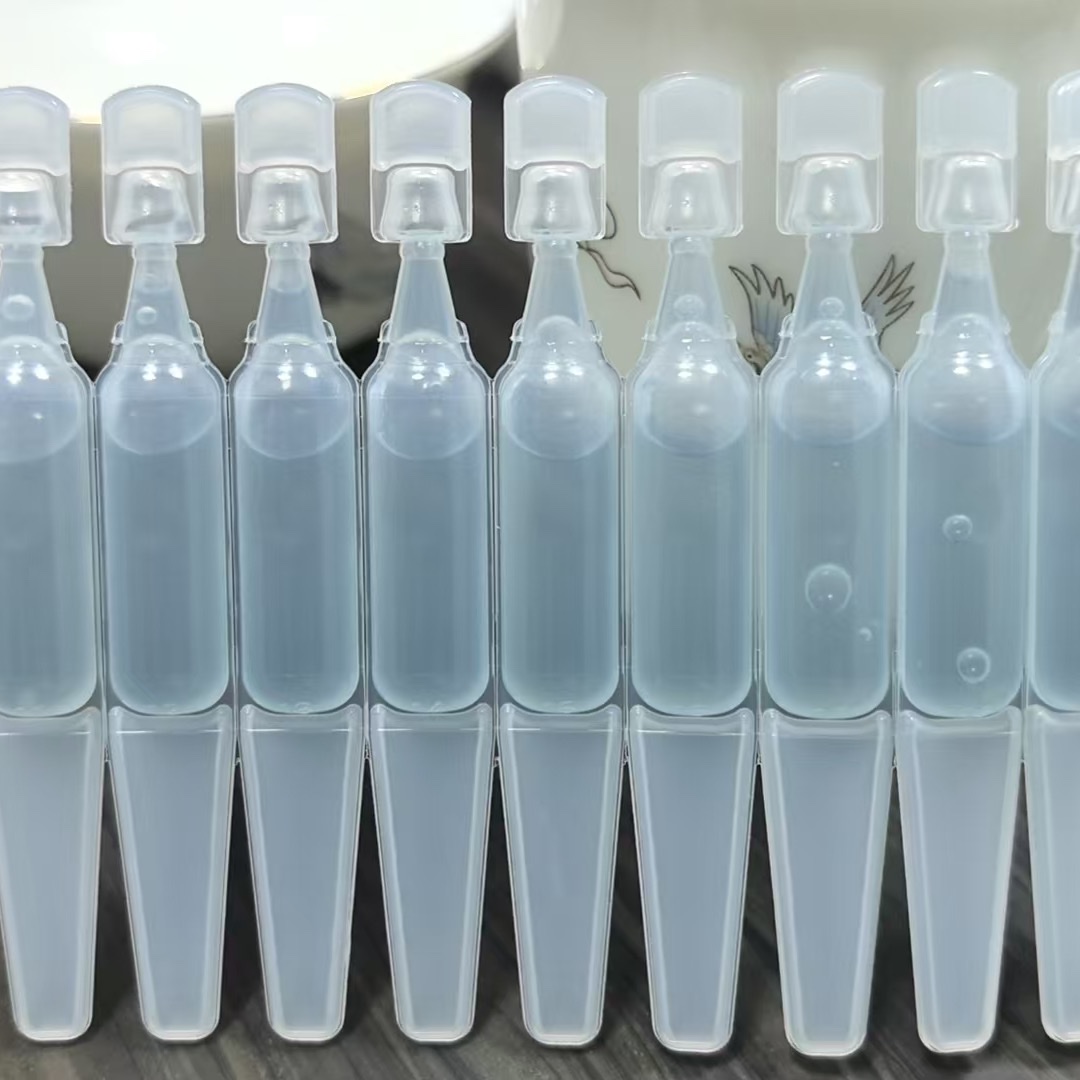
Samples: about 7 days. Production: about 15 days. Counted from confirmation of the formula, artwork and packaging materials; standard specifications.
MOQ: BFS single-dose 10,000 units per formula · Glass ampoules 1,000–2,000 units · Bottles: quoted per product
Custom molds, new formulas and stability testing are quoted separately.
Why brands choose Tranexamic Acid
A tranexamic acid serum brief can centre on the appearance of an even tone and a comfortable daily application. Define the intended cosmetic benefit and sales market before selecting the rest of the ingredient direction. A focused brightening-look product does not need to promise a change to a named condition. The sample should also earn its place in the routine through texture and ease of use.
The raw-material identity needs to be explicit. Tranexamic acid and a separately named derivative are not interchangeable simply because their marketing descriptions sound similar. Ask which material is proposed and which supporting documents accompany it. This gives procurement a clear basis for comparison without publishing an ingredient recipe or adopting claims from a different commercial preparation.
Format options
| Format | MOQ | Volume | Suitable use | Fit for this ingredient brief |
|---|---|---|---|---|
| BFS single-dose | 10,000 units per formula | 0.5–10 ml | Samples, discovery kits, travel and agreed professional take-home routines. | BFS offers a compact unit for an even-looking-tone sample routine when the complete serum is compatible with the filling route. The ingredient's water solubility is only one consideration. Evaluate the complete base, dispensing and final-pack quality rather than considering solubility as automatic BFS approval. |
| Glass ampoules | 1,000–2,000 units | Fill agreed per product | Defined unit-dose routines and glass-format product ranges. | Glass ampoules create a separate single-use presentation for a coordinated range. The final liquid, closure and opening method should be assessed together. A change from BFS to glass is a packaging decision, not evidence that a different cosmetic claim can be used. |
| Bottles | Quoted per product | Pack size agreed per product | Daily routines and serums better suited to a pump, dropper or another selected dispenser. | A bottle may be preferable for an ongoing daily routine. Compare the dispenser with the desired flow and appearance, and consider repeated opening in the use assessment. The same brief can inform the comparison while the finished specification remains specific to the selected formula and pack. |
Customization
Niacinamide and vitamin C are related development directions for a range with an even-looking-tone story. They are not instructions to combine every ingredient in one bottle. If a combination product is desired, define the priorities and let the complete system be evaluated. Concentration is set per project. A supplier's material description is not a public strength claim for the finished serum.
Customize the sensory finish, fragrance preference, appearance and label presentation around the intended routine. A light product for a discovery kit may call for a different application feel from a richer daily bottle. Specify the target market early so ingredient identity, intended use and proposed claims can be considered together. Do not finalise a label based only on a competitor's product title.
Formulation and stability notes
Formulation review should distinguish the selected acid from an ester, salt or another derivative. Different identities can have different solubility and compatibility requirements. For the actual project, agree the relevant product-quality checks, appearance expectations and final-container assessment. These decisions should follow the chosen material rather than a general online description of the ingredient family.
Observe the finished serum for changes in clarity, colour, odour and dispensing during the agreed evaluation. Include the closure and the intended consumer-use pattern. The ingredient name does not establish that an entire formula is stable in every format. Any extra development or stability work is scoped separately from the standard schedule, before a launch date is promised.
Claims and compliance notes
Keep the public language focused on an even-looking tone, radiance and the appearance of the skin. Tranexamic acid also has uses outside cosmetics, so the intended topical cosmetic purpose should be clear. A name that appears in another product category does not give a cosmetic serum permission to borrow that category's claims.
Check the proposed ingredient identity and finished claims against the destination-market requirements. Evidence for a derivative or another supplier's finished product should not be presented as evidence for your own serum. For a multi-market launch, document any differences in the approved label and instructions. This is a formulation and artwork decision to settle before the order, not an afterthought at dispatch.
FAQ
Is this an exfoliating-acid serum brief?
The product brief here concerns an even-looking tone and the chosen cosmetic experience. The word acid in an ingredient name does not determine the entire routine or a particular application method. Intended use and the complete formula are agreed during development.
Can niacinamide or vitamin C be considered?
Those are related ingredient directions for discussion, not a pre-published combination. A proposed pairing needs review as a complete formulation with its own sensory and stability targets. The exact ingredient identities and formula remain within NDA.
What are the order and sample terms?
BFS MOQ is 10,000 units per formula; glass ampoules are 1,000–2,000 units; bottles are quoted per product. Standard samples take about 7 days and production about 15 days after the stated confirmations. New formula work and additional evaluation are scoped separately.