
Private label niacinamide serum, made for your brand
Develop a private label niacinamide serum for an even-looking tone and comfortable skin feel, in BFS single-dose packs, glass ampoules or bottles. BFS starts at 10,000 units per formula; glass at 1,000–2,000; bottles are quoted per product. Standard samples take about 7 days and production about 15 days after confirmations.
Huaze Ruifu, our designated manufacturing partner.
Request a quote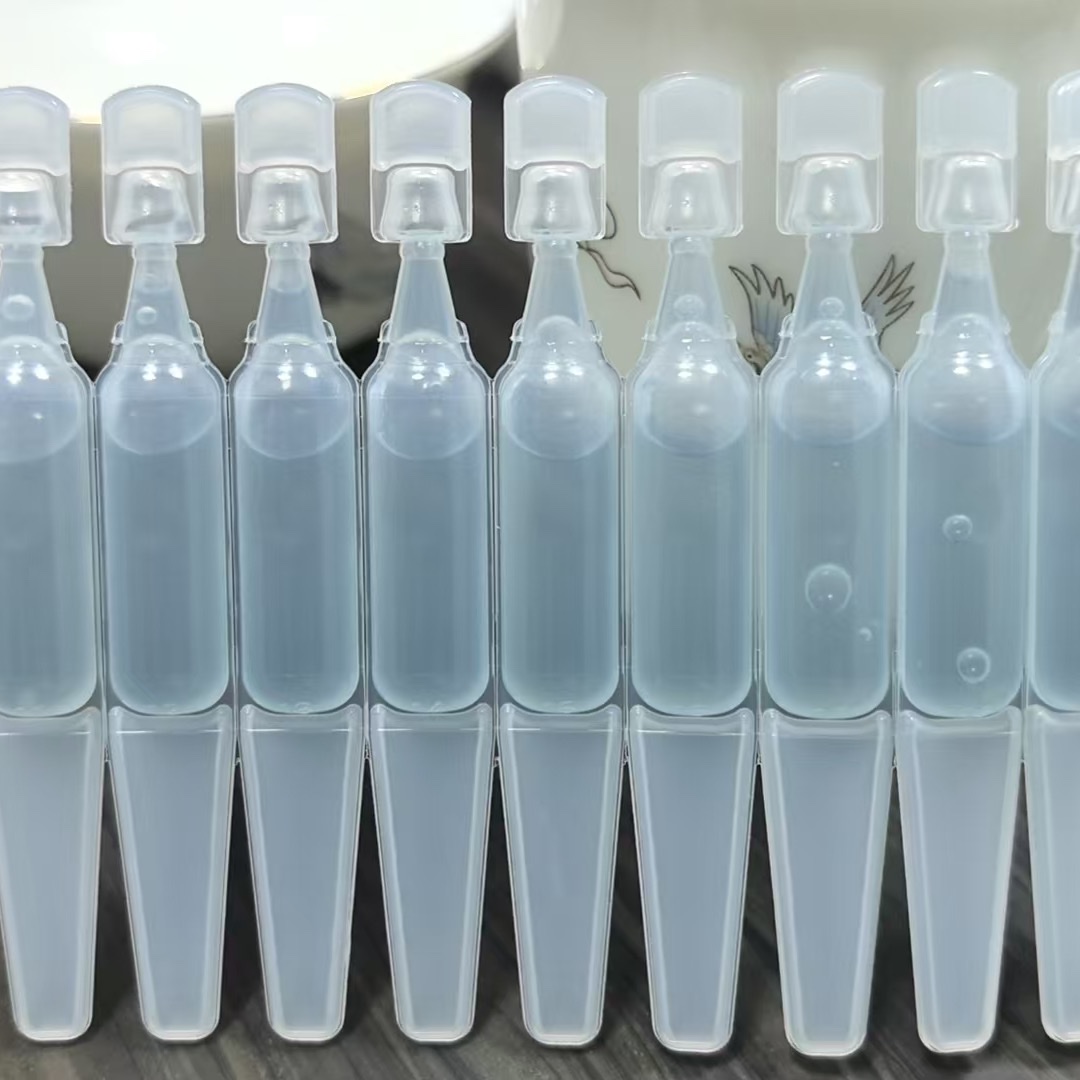
Samples: about 7 days. Production: about 15 days. Counted from confirmation of the formula, artwork and packaging materials; standard specifications.
MOQ: BFS single-dose 10,000 units per formula · Glass ampoules 1,000–2,000 units · Bottles: quoted per product
Custom molds, new formulas and stability testing are quoted separately.
Why brands choose Niacinamide
Niacinamide can anchor a daily-serum brief that is easy for buyers and consumers to understand. Decide whether the priority is an even-looking tone, a balanced-looking finish or a light hydrating step. A focused purpose helps guide sensory development. It also makes the product easier to position alongside other items in a range without asking one ingredient to carry every possible cosmetic claim.
Niacinamide is not simply interchangeable with every ingredient described as vitamin B3. The selected identity and quality documentation still matter. A sensible brief sets the finished-product experience first, then agrees the supporting ingredient system. A larger number on a competitor's label is not a substitute for a clear sample target or evidence for your own formula.
Format options
| Format | MOQ | Volume | Suitable use | Fit for this ingredient brief |
|---|---|---|---|---|
| BFS single-dose | 10,000 units per formula | 0.5–10 ml | Samples, discovery kits, travel and agreed professional take-home routines. | BFS can create a sealed daily unit for discovery sets, travel or a defined sampling programme. Assess the complete niacinamide serum for flow, container compatibility and the actual filling route. A water-soluble ingredient does not automatically make every combination base suitable for BFS. |
| Glass ampoules | 1,000–2,000 units | Fill agreed per product | Defined unit-dose routines and glass-format product ranges. | Glass ampoules provide a separate single-use route for the same cosmetic direction. Review opening instructions, the selected fill and secondary packaging as one presentation. The finished formula should be evaluated in the final ampoule rather than assumed equivalent to a bottle sample. |
| Bottles | Quoted per product | Pack size agreed per product | Daily routines and serums better suited to a pump, dropper or another selected dispenser. | A bottle offers a familiar daily-routine format. Compare a pump, dropper or another closure against the desired texture and amount per application. Consider residue, ease of use and repeated opening during sampling. The most useful pack is the one that works well with the actual serum and intended routine. |
Customization
Tranexamic acid and azelaic acid are related serum directions for a range concerned with the look of tone and texture. They are not a standard niacinamide recipe. If a combination is requested, define the cosmetic priorities and evaluate the complete product. Concentration is set per project. The selected identity and formula are agreed privately rather than inferred from a competitor's percentage headline.
Customize the finish, fragrance preference, appearance, label and carton around the intended user experience. A light serum for layering under other products may need a different sensory balance from a richer standalone step. Give specific feedback on tack, spread, dry-down and dispenser performance. Those observations help compare samples more consistently than asking for a product that is simply stronger.
Formulation and stability notes
The complete formulation environment and processing route influence the finished result. Follow the selected raw material's guidance and evaluate it with the proposed base and package. Avoid blanket internet rules that declare an entire ingredient family either compatible or incompatible without considering the actual materials. A combination formula should be supported by its own development work.
Agree the appearance, odour, texture and relevant quality checks for the final serum. A raw-material change can affect the project even if the public product name stays the same. Include the intended storage and consumer-use pattern in the brief. If a new base or additional stability evaluation is needed, define that scope before applying the standard production schedule.
Claims and compliance notes
Keep the story about cosmetic appearance and feel: an even-looking tone, a balanced-looking finish and comfortable hydration. Do not name a skin condition as the promised outcome. Evidence about niacinamide as an ingredient should not be represented as a completed study of the brand's final serum.
Avoid advertising strength as an automatic measure of quality or tolerance. The finished formula, directions and intended market need to support the chosen language. If the range includes other targeted products, explain how the niacinamide serum fits the routine without giving a universal mixing rule. Good product communication makes the intended use clear and keeps unsupported comparisons out of the label.
FAQ
Can I request a particular niacinamide positioning?
Yes. Describe the intended cosmetic result, market and desired finish. The team can evaluate a light hydrating direction or an even-looking-tone brief without publishing your complete formula. Any nominated ingredient material is reviewed with the rest of the development inputs.
Can it be combined with another ingredient direction?
A proposed combination can be discussed, but it is assessed as a complete formula. Related serum pages are starting points for a range brief, not instructions to mix ingredients. Stability, sensory performance and the selected package are reviewed together.
What quantities and schedule should I plan around?
BFS MOQ is 10,000 units per formula; glass ampoules are 1,000–2,000 units; bottles are quoted per product. Standard samples take about 7 days and production about 15 days after the stated confirmations. Additional formula work is agreed separately.