
Private label PDRN serum, made for your brand
Develop a private label PDRN serum around hydration and a smoother-looking finish, in BFS single-dose packs, glass ampoules or bottles. BFS starts at 10,000 units per formula; glass at 1,000–2,000; bottles are quoted per product. Standard samples take about 7 days and production about 15 days after confirmations.
Huaze Ruifu, our designated manufacturing partner.
Request a quote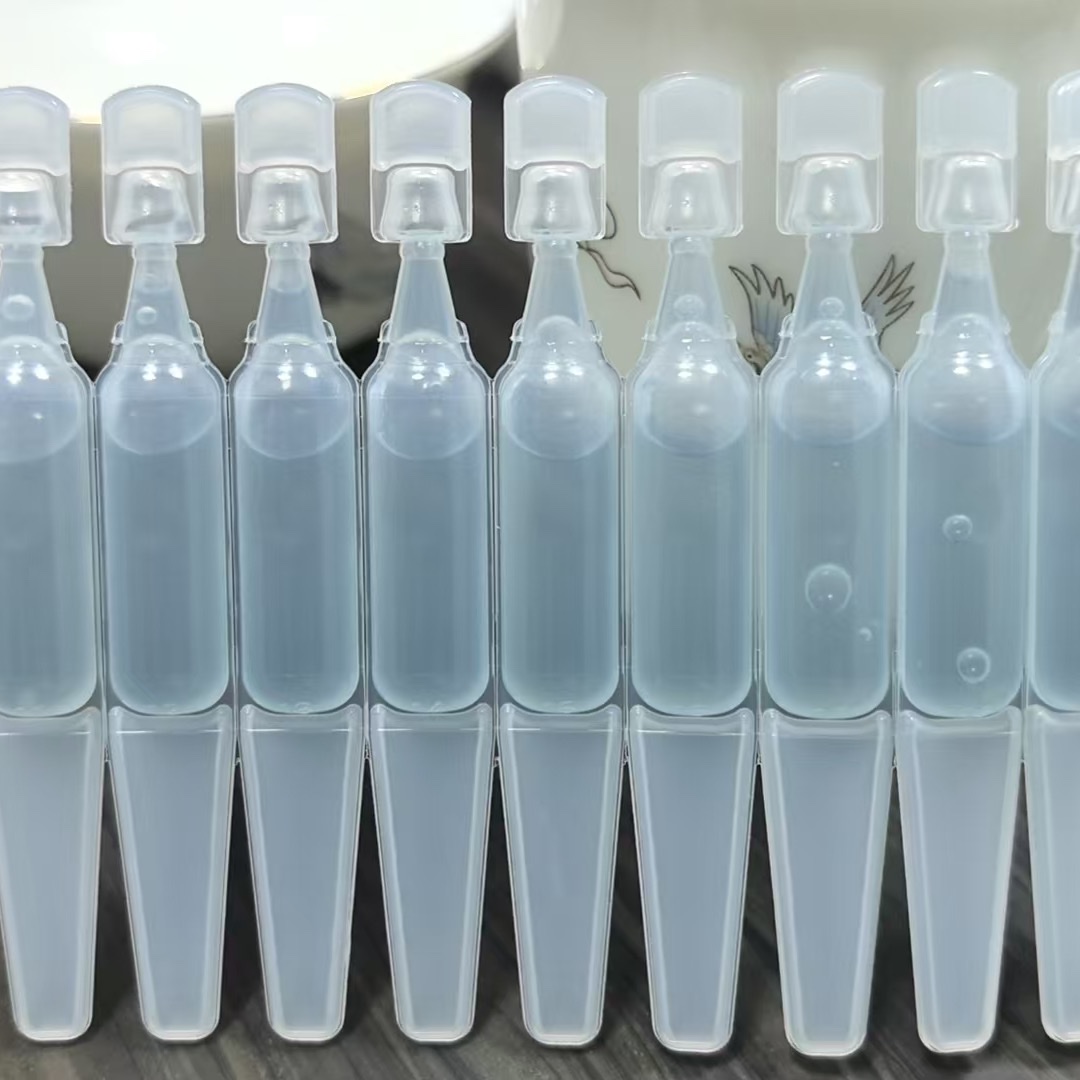
Samples: about 7 days. Production: about 15 days. Counted from confirmation of the formula, artwork and packaging materials; standard specifications.
MOQ: BFS single-dose 10,000 units per formula · Glass ampoules 1,000–2,000 units · Bottles: quoted per product
Custom molds, new formulas and stability testing are quoted separately.
Why brands choose PDRN
PDRN is an ingredient direction for a brand that wants a considered story about source and product feel. Start by defining the intended cosmetic result: a hydrating application, comfortable layering and a smoother-looking finish. Those choices are more useful to development than a broad promise built around a fashionable ingredient name. A lightweight essence for a discovery set and a richer bottle serum can share a marketing direction while requiring different product specifications.
The abbreviation alone does not identify a complete raw material. A useful brief distinguishes the supplier's ingredient identity, source documentation and relevant quality attributes. Published work on a particular preparation is not a specification for every PDRN input. For your range, decide which documentation your buying and quality teams need before an ingredient is selected. The same discipline helps your team explain the product clearly without publishing a private formula.
Format options
| Format | MOQ | Volume | Suitable use | Fit for this ingredient brief |
|---|---|---|---|---|
| BFS single-dose | 10,000 units per formula | 0.5–10 ml | Samples, discovery kits, travel and agreed professional take-home routines. | BFS provides a sealed unit for a sample routine or travel kit. Assess the selected PDRN material in the complete liquid, including dispensing consistency and the filling route. Single-dose packaging does not establish that a particular raw material retains its properties during manufacture. |
| Glass ampoules | 1,000–2,000 units | Fill agreed per product | Defined unit-dose routines and glass-format product ranges. | Glass ampoules provide a distinct unit-dose presentation. Review the closure, opening instructions and secondary protection alongside the serum. Glass does not remove the need to evaluate the ingredient in the complete formulation or to agree the intended storage instructions. |
| Bottles | Quoted per product | Pack size agreed per product | Daily routines and serums better suited to a pump, dropper or another selected dispenser. | A bottle suits a longer home routine and gives more freedom to compare fluid and richer textures. Choose the dispensing system around actual product flow, then evaluate repeated use. The pack should make the agreed amount easy to apply without relying on an ingredient-specific performance promise. |
Customization
Customization begins with the source-led positioning. Tell the development team whether a particular origin matters to your brand and which statements need supporting documents. Do not use a sustainability or animal-origin label simply because a competing product uses it. Ingredient selection and any source statement must refer to the material that will actually be purchased for your project.
Texture, fragrance direction, appearance, label design and carton presentation can be discussed together. Hyaluronic acid and centella are related serum briefs for a hydrating or comforting range, rather than a published combination recipe. Concentration is set per project. Keep ingredient amounts, raw-material blends and the complete formula within the NDA process, while giving your team enough sensory detail to compare samples.
Formulation and stability notes
For this direction, raw-material identity is an early decision. Ask how the selected input will be identified and how its relevant quality attributes will be followed in the finished product. A changed source or a different preparation can require a fresh comparison. The stability plan should follow the actual ingredient, base and final container, rather than copy a study of another product.
Observe appearance, odour, dispensing and the agreed product-quality checks in the final pack. A smooth-looking sample on the first day is not a finished shelf-life assessment. Include the transport and storage situations relevant to your sales channel in the development brief. If a project needs a new formula or additional stability work, that work is scoped separately from the standard schedule.
Claims and compliance notes
Keep the public story about cosmetic appearance and use: hydration, a comfortable feel and a smoother-looking finish. Do not translate a laboratory pathway or a professional procedure into a promise for a consumer serum. Evidence for one preparation does not automatically substantiate another raw material, a different base or a different delivery format.
Define the finished-product claims before designing the label. Your market, intended user and supporting evidence determine which words are suitable. A professional skincare channel still needs a clear cosmetic purpose and ordinary topical-use instructions. Source documents can support an accurate ingredient story, but they are not a certificate for every benefit a brand might want to advertise.
FAQ
Is this a ready-stock PDRN formula?
This page is an OEM/ODM development brief, not a ready-stock formula list. Your brand's source preferences, cosmetic positioning, texture and package are developed or adapted under NDA. Samples and documentation refer to the agreed project, not to an unnamed online formula.
Can PDRN be discussed for a BFS sample kit?
Yes, BFS is a format option for the brief. The selected raw material and complete serum need a filling and packaging assessment. If that route is unsuitable, glass ampoules and bottles remain alternatives; the ingredient name alone does not decide the format.
How do MOQ and timing work?
BFS single-dose starts at 10,000 units per formula; glass ampoules at 1,000–2,000 units; bottles are quoted per product. Samples are about 7 days and production about 15 days after the stated confirmations for standard specifications. Additional development and stability work are scoped separately.