
Private label hyaluronic acid serum, made for your brand
Plan a private label hyaluronic acid serum for a hydrated feel in BFS single-dose packs, glass ampoules or bottles. BFS MOQ is 10,000 units per formula; glass is 1,000–2,000; bottles are quoted per product. Standard samples take about 7 days and production about 15 days after confirmations.
Huaze Ruifu, our designated manufacturing partner.
Request a quote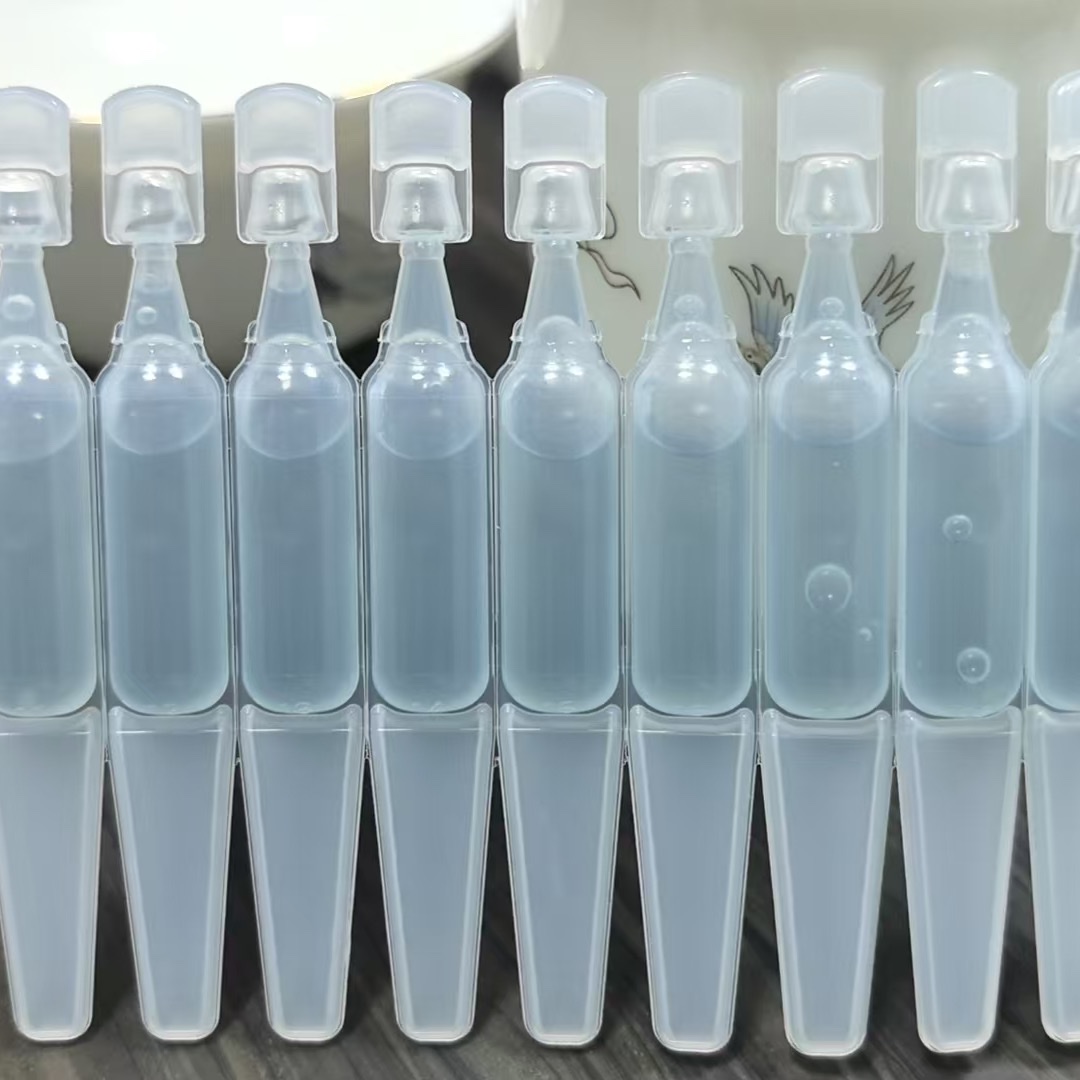
Samples: about 7 days. Production: about 15 days. Counted from confirmation of the formula, artwork and packaging materials; standard specifications.
MOQ: BFS single-dose 10,000 units per formula · Glass ampoules 1,000–2,000 units · Bottles: quoted per product
Custom molds, new formulas and stability testing are quoted separately.
Why brands choose Hyaluronic Acid
Hyaluronic acid is a useful starting point for a hydration-led range because the buying brief can be clear: how the serum spreads, how it feels after application and how it layers with other products. Decide whether you want a light watery step or a more cushiony texture. Neither a thicker appearance nor a more elaborate ingredient headline automatically defines a better serum.
Hyaluronic acid and related hyaluronate materials are available in different forms. Their identity and molecular characteristics can influence the formulation experience. For procurement, request a clear specification for the material being evaluated rather than assuming all hyaluronate inputs are the same. The public product page can explain that choice without disclosing a proprietary blend or a sequence of manufacturing steps.
Format options
| Format | MOQ | Volume | Suitable use | Fit for this ingredient brief |
|---|---|---|---|---|
| BFS single-dose | 10,000 units per formula | 0.5–10 ml | Samples, discovery kits, travel and agreed professional take-home routines. | BFS suits a single-use hydration format when the liquid dispenses cleanly from the selected opening. Check stringiness, residual product and the ease of squeezing the ampoule. A thick sample should not be approved from appearance alone if the final pack makes the intended amount difficult to use. |
| Glass ampoules | 1,000–2,000 units | Fill agreed per product | Defined unit-dose routines and glass-format product ranges. | Glass ampoules provide another unit-dose route for a hydration programme. Evaluate how the serum flows after opening and whether the chosen fill makes sense for the intended application. The opening instructions and protective outer pack remain part of the finished presentation. |
| Bottles | Quoted per product | Pack size agreed per product | Daily routines and serums better suited to a pump, dropper or another selected dispenser. | A bottle can support a daily routine with a pump or dropper selected around the texture. Compare draw-up, drop release and residue on the dispenser during sample review. A serum that looks elegant in a beaker may create a different experience in the final retail container. |
Customization
Customization should describe skin feel as carefully as the ingredient story. Useful references include lightness, cushion, tack, spread and the finish after the product dries down. Ectoin and ceramide are related serum briefs for a hydrating range, not a required recipe. Concentration is set per project. The chosen hyaluronate system and supporting ingredients are agreed privately under NDA.
Define fragrance preference, product appearance and packaging together. If your range aims for a clear fluid, tell the team how much visual variation is acceptable. If you want a richer feel, compare how it layers with a moisturiser or sunscreen in the intended routine. The brief should make those evaluation priorities explicit so sample feedback describes more than whether the product feels generally pleasant.
Formulation and stability notes
For a hyaluronic acid direction, viscosity and dispensing deserve particular attention. The complete base can change the way a hyaluronate material behaves, so raw-material descriptions should not be used as finished-product specifications. Compare the sample before and after the relevant stability work in the final container, using the product-quality checks agreed for your brief.
Consider clarity, texture consistency and compatibility with the other ingredients in the selected base. A change in raw-material source or grade can justify a fresh comparison even when the marketing name stays the same. Packaging assessment should include the actual closure and consumer-use pattern. Microbiological suitability also belongs to the complete product; a hydrating ingredient is not itself a preservation system.
Claims and compliance notes
A hydrated feel, a smoother-looking surface and a comfortable application are cosmetic directions for discussion. Avoid turning molecular-weight terminology into an unsupported claim about how far a serum travels in the skin. The presence of several hyaluronate materials does not by itself prove a stronger or longer-lasting finished-product result.
Choose label language that a consumer can understand and that your finished-product evidence can support. If a measurable duration of hydration matters to your launch, define the evidence plan before printing that promise. The product name, packaging and application instructions should describe the same intended use. Keeping the story focused is more credible than adding claims for unrelated skin concerns.
FAQ
Can the texture be adjusted for an ampoule?
Yes, texture is part of the development brief. For BFS, the team assesses squeeze flow, stringiness and residual product with the selected opening. Glass ampoules and bottles can be compared if they provide a better application experience for the chosen serum.
Do you publish the hyaluronate blend?
No. The complete formula and ingredient amounts stay within the NDA process. Your team can review the agreed identity, specification and sample performance without the formula becoming public website content.
Can the same brief be quoted in all three formats?
BFS, glass ampoules and bottles can be compared, with separate packaging assessments. BFS starts at 10,000 units per formula; glass at 1,000–2,000; bottles are quoted per product. The standard about 7-day sample and about 15-day production schedule starts after the stated confirmations.