
Private label centella serum, made for your brand
Plan a private label centella serum for hydration and a soothing feel, in BFS single-dose packs, glass ampoules or bottles. BFS MOQ is 10,000 units per formula; glass is 1,000–2,000; bottles are quoted per product. Standard samples take about 7 days and production about 15 days after confirmations.
Huaze Ruifu, our designated manufacturing partner.
Request a quote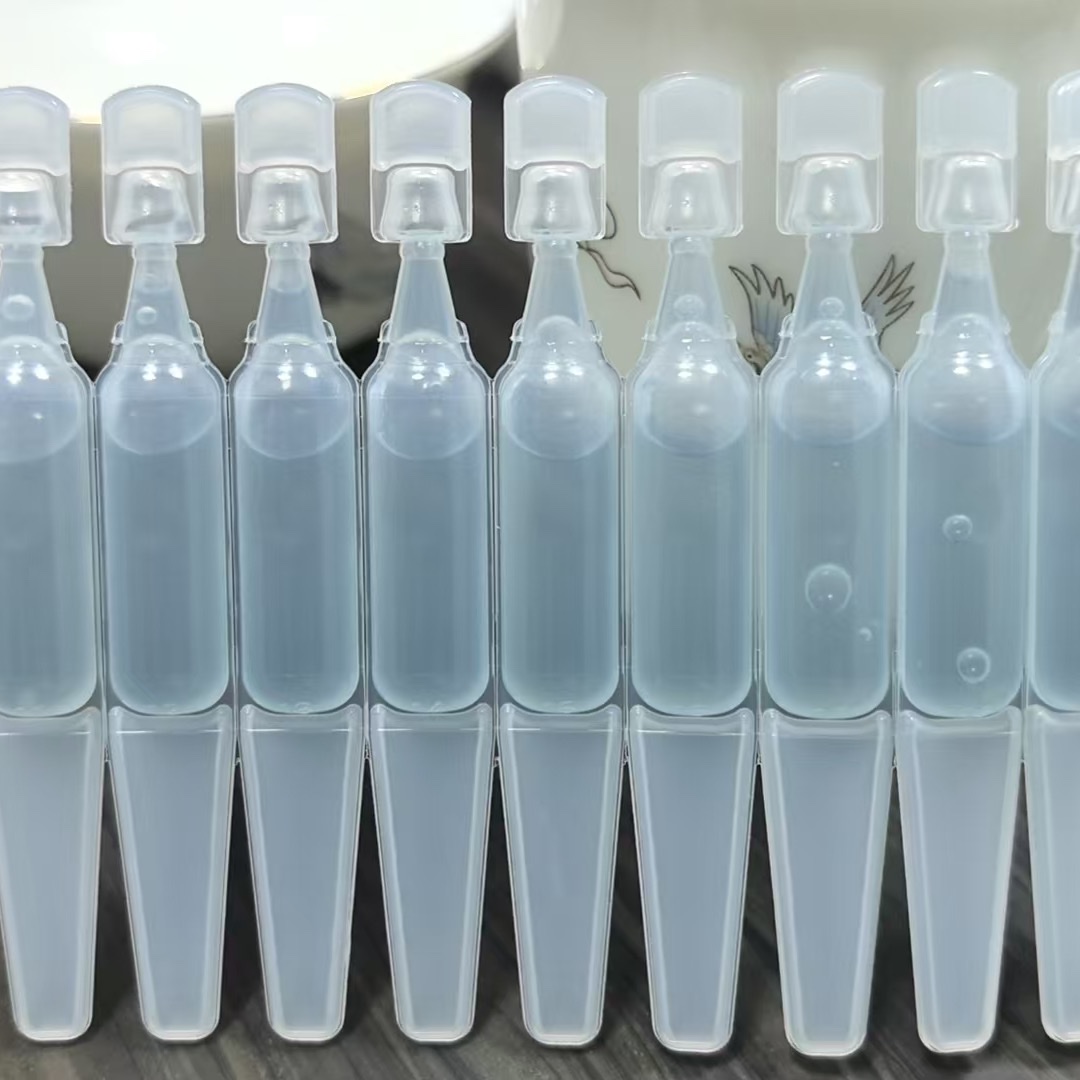
Samples: about 7 days. Production: about 15 days. Counted from confirmation of the formula, artwork and packaging materials; standard specifications.
MOQ: BFS single-dose 10,000 units per formula · Glass ampoules 1,000–2,000 units · Bottles: quoted per product
Custom molds, new formulas and stability testing are quoted separately.
Why brands choose Centella
Centella can give a skincare range a recognisable botanical direction while keeping the product story focused on a soothing feel and comfortable hydration. Define how the serum should fit the routine: a light step before moisturiser, a compact discovery-set unit or a daily bottle. The sample should be judged on its complete application experience, not only on a familiar plant name.
A whole-plant extract, a material from a particular plant part and a selected constituent are different ingredients. The common cica label does not make them interchangeable. Ask the development team to identify the proposed material and its supporting documents. A clear botanical specification helps procurement compare samples consistently without asking the website to publish a full private formulation.
Format options
| Format | MOQ | Volume | Suitable use | Fit for this ingredient brief |
|---|---|---|---|---|
| BFS single-dose | 10,000 units per formula | 0.5–10 ml | Samples, discovery kits, travel and agreed professional take-home routines. | BFS offers a sealed, portable unit for a centella-led sample routine. Assess the actual extract or selected constituent within the final liquid, including colour, odour, dispersion and dispensing. A botanical identity alone does not establish suitability for the filling route or support a preservation claim. |
| Glass ampoules | 1,000–2,000 units | Fill agreed per product | Defined unit-dose routines and glass-format product ranges. | Glass ampoules provide a distinct single-use presentation. Evaluate the serum with the chosen closure, opening instructions and outer pack. A botanical product may have its own appearance profile, so agree what the buyer should expect rather than relying on a generic clear-liquid reference. |
| Bottles | Quoted per product | Pack size agreed per product | Daily routines and serums better suited to a pump, dropper or another selected dispenser. | A bottle can suit a longer daily routine and offers flexibility in sensory direction. Choose the dispenser around the actual texture and evaluate repeated use. A clear essence and a richer serum should each be assessed in the package that will be supplied, not in an unrelated sample container. |
Customization
Hyaluronic acid and ectoin are related serum briefs for a hydrating, comfortable range. A proposed combination should be evaluated as one complete product rather than assembled from individual marketing benefits. Concentration is set per project. If source or extraction preferences matter to the brand, share the requirement early and request evidence for the material selected for the actual project.
Fragrance preference, botanical odour, colour and texture deserve separate decisions. A naturally coloured input is not the same as a decorative colour added for branding. Explain the desired appearance and sensory reference before artwork is designed. For a fragrance-free direction, the whole formula and proposed wording need review; a botanical theme by itself does not establish that claim.
Formulation and stability notes
Centella materials can differ by identity and commercial preparation. Evaluate the selected input in the complete base and final container. Relevant checks may include appearance, texture consistency and the product-quality measures agreed in the development brief. A different source or extract system can warrant a fresh comparison even when the front-label botanical name stays unchanged.
Agree how natural variation will be documented and which finished-product changes are acceptable during evaluation. The preservation approach belongs to the complete serum and pack, not to the plant story. Include the intended consumer-use pattern and distribution conditions in the brief. A sealed format can simplify repeated-opening considerations, but it does not remove the need for appropriate product assessment.
Claims and compliance notes
Hydrating, a soothing feel and a comfortable application are cosmetic directions for the product story. Do not turn historical botanical uses or raw-material research into a promise about a named skin condition. A product marketed for a gentle routine still needs supporting evidence for the actual formula and its intended users.
Avoid an absolute tolerance claim based on the presence of centella. Natural origin does not establish that every user will respond in the same way. Keep the ingredient identity, directions and finished claims aligned for each market. A concise, accurate botanical story gives a buyer more confidence than a long list of benefits borrowed from unrelated extracts.
FAQ
Does cica always mean the same ingredient?
No. Centella extracts and selected constituents can be different materials with different documentation. Your project should identify the proposed input clearly. The complete formula remains private, while the agreed ingredient identity and finished specification are available within the development process.
Can centella be considered for a BFS format?
Yes, BFS is a format direction to assess with the selected material and complete serum. Dispersion, appearance and dispensing matter alongside the filling route. Glass ampoules and bottles provide alternatives if they better suit the botanical system or intended routine.
How are MOQ and timing confirmed?
BFS starts at 10,000 units per formula; glass at 1,000–2,000; bottles are quoted per product. Standard samples are about 7 days and production about 15 days after the formula, artwork and packaging materials are confirmed. Extra development and evaluation are scoped separately.