
Private label azelaic acid serum, made for your brand
Plan a private label azelaic acid serum for a smoother-looking, even-looking finish, in BFS single-dose packs, glass ampoules or bottles. BFS MOQ is 10,000 units per formula; glass is 1,000–2,000; bottles are quoted per product. Standard samples take about 7 days and production about 15 days after confirmations.
Huaze Ruifu, our designated manufacturing partner.
Request a quote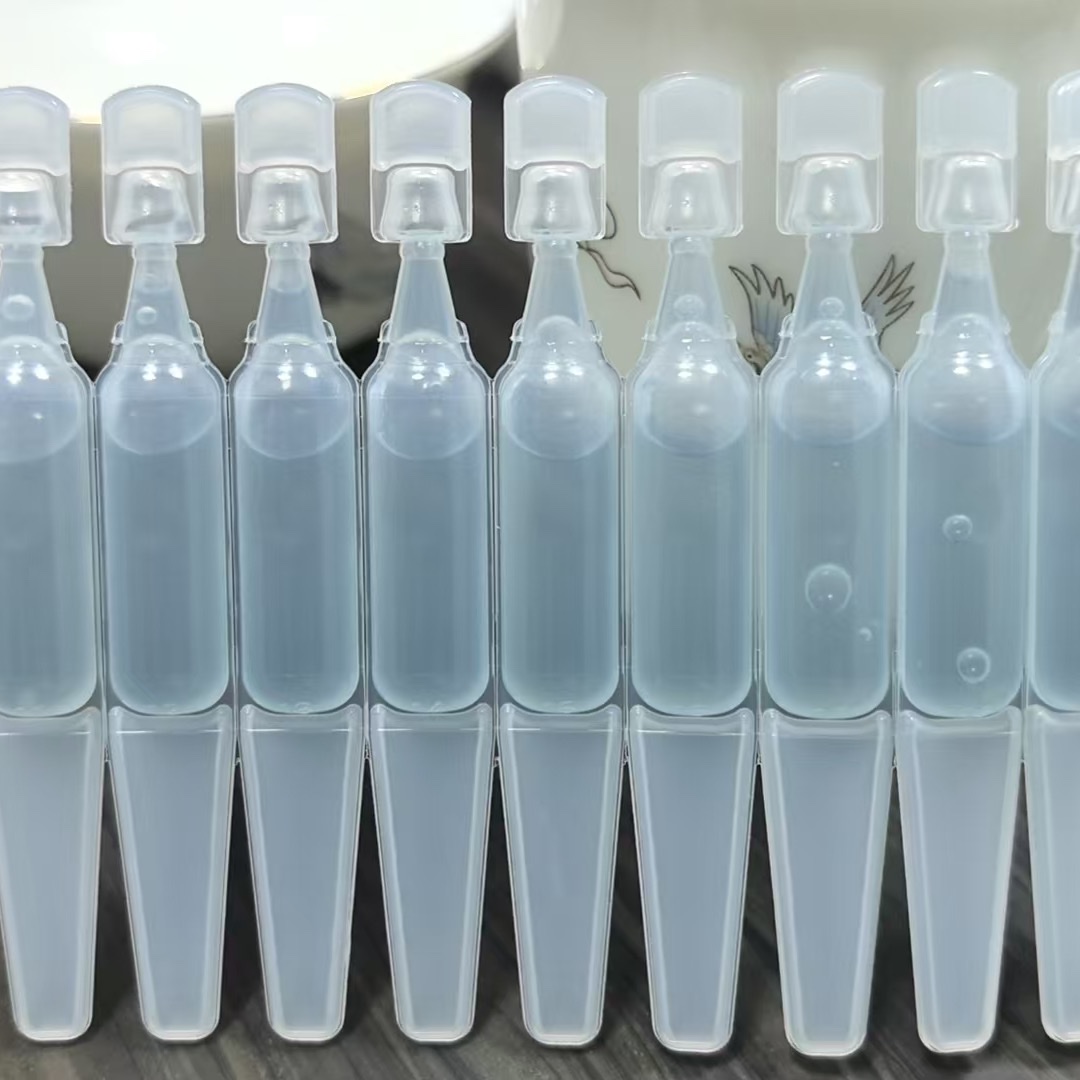
Samples: about 7 days. Production: about 15 days. Counted from confirmation of the formula, artwork and packaging materials; standard specifications.
MOQ: BFS single-dose 10,000 units per formula · Glass ampoules 1,000–2,000 units · Bottles: quoted per product
Custom molds, new formulas and stability testing are quoted separately.
Why brands choose Azelaic Acid
An azelaic acid brief can focus on the look of tone and surface texture while giving equal attention to application comfort. The product should have a clear cosmetic purpose and a sensory reference that the buyer can evaluate. A smooth fluid, a gel-like serum and an emulsion are different product experiences; the ingredient headline alone does not choose between them.
Azelaic acid has limited water solubility, so its physical presentation is a central development question. A dissolved system and a dispersion are not equivalent simply because both are called serums. A derivative is also a different ingredient identity. Identify the proposed material and desired appearance before selecting the dispenser or assuming a particular pack will be practical.
Format options
| Format | MOQ | Volume | Suitable use | Fit for this ingredient brief |
|---|---|---|---|---|
| BFS single-dose | 10,000 units per formula | 0.5–10 ml | Samples, discovery kits, travel and agreed professional take-home routines. | BFS requires careful assessment of the proposed physical system. Particles, settling or a change in texture can affect filling, opening and dispensing. A clear, compatible liquid may be evaluated, while a thicker or particulate direction may make another container more practical. Do not assume every azelaic acid brief should use BFS. |
| Glass ampoules | 1,000–2,000 units | Fill agreed per product | Defined unit-dose routines and glass-format product ranges. | Glass ampoules can be considered with the actual liquid and opening design. Evaluate flow, product residue and consistency from unit to unit during sample review. Changing the container to glass does not by itself resolve solubility, crystallisation or sensory questions in the formula. |
| Bottles | Quoted per product | Pack size agreed per product | Daily routines and serums better suited to a pump, dropper or another selected dispenser. | A bottle or suitable pump may offer a more practical route for a richer or dispersed product direction. Compare the selected dispensing system with the actual texture. A pack that looks attractive should still deliver a consistent and comfortable application throughout the intended routine. |
Customization
Niacinamide and centella are related briefs for a range with an even-looking, comfortable skin story. They are not a formula to assemble without evaluation. Concentration is set per project. Decide whether the range needs one combined product or separate routine steps, and keep the raw-material identity and complete formula within the NDA process.
Texture is especially important for this direction. Give feedback on smoothness, visible particles, spread, dry-down and residue on the dispenser. Fragrance preference, colour, label wording and packaging can then be developed around a realistic product experience. If you nominate an existing raw material or base, provide its documentation privately so the team can assess the actual system rather than a marketing description.
Formulation and stability notes
Limited solubility makes crystallisation and physical consistency relevant points to assess. The selected material, base and packaging need to be evaluated together under the conditions agreed for the project. Do not publish a solvent recipe or processing instructions as a substitute for this work. The public page should explain the decision, while the detailed formulation remains private.
Observe the finished product for changes in smoothness, appearance, separation and dispensing. A sample that seems satisfactory in a temporary container may behave differently in the intended retail pack. Include the planned distribution and consumer-use pattern in the brief. If the preferred physical form is unsuitable for the chosen filling route, compare another format before promising a commercial launch.
Claims and compliance notes
Use cosmetic language about an even-looking tone, smoother-looking texture and the desired finish. Azelaic acid is also associated with product categories beyond ordinary cosmetics, so avoid borrowing those categories' purposes or claims. The finished product's intended use, ingredient identity and market requirements should be reviewed together.
Do not imply that choosing a familiar ingredient automatically makes the serum suitable for every skin concern or every destination market. Evidence for a different physical system or derivative cannot simply be transferred to the proposed product. The label should describe the actual cosmetic experience and the supporting evidence, without using a medical comparison as a shortcut.
FAQ
Is azelaic acid automatically suitable for BFS?
No. Solubility, dispersion, viscosity and dispensing all matter. A particulate or richer direction may be better considered in a bottle or another suitable pack. The selected raw material and final base determine which format should be evaluated.
Can the product use an azelaic acid derivative?
A derivative can be a separate development discussion, but it is not the same ingredient as azelaic acid. The selected identity, name, evidence and packaging need to match. This page does not publish a replacement recipe or a fixed ingredient amount.
What are the minimum quantities and standard timing?
BFS starts at 10,000 units per formula; glass at 1,000–2,000; bottles are quoted per product. Standard samples are about 7 days and production about 15 days after the stated confirmations. New formulation work and additional evaluation are scoped separately.