
Private label ceramide serum, made for your brand
Develop a private label ceramide serum for a comfortable, moisturised feel, in BFS single-dose packs, glass ampoules or bottles. BFS starts at 10,000 units per formula; glass at 1,000–2,000; bottles are quoted per product. Standard samples take about 7 days and production about 15 days after confirmations.
Huaze Ruifu, our designated manufacturing partner.
Request a quote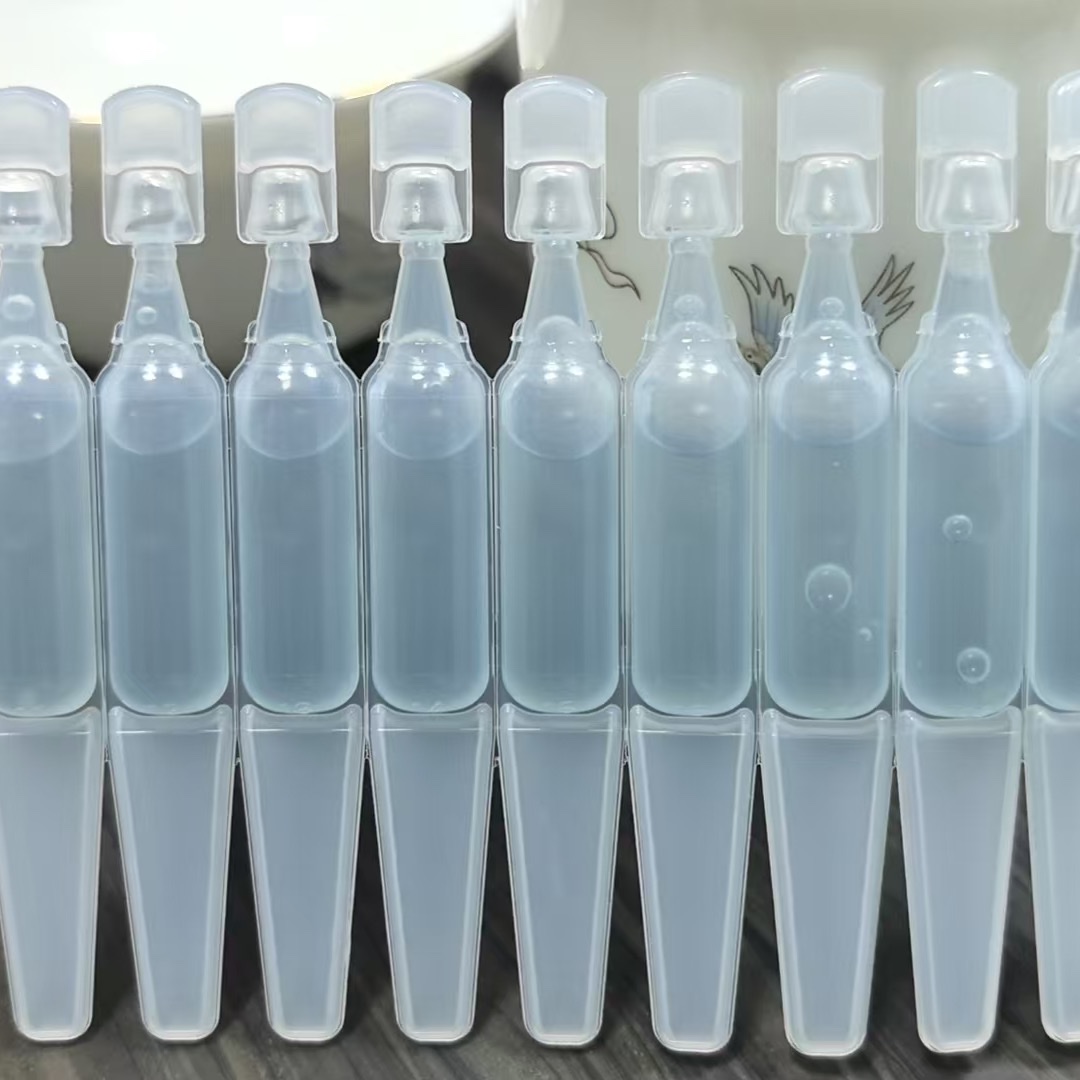
Samples: about 7 days. Production: about 15 days. Counted from confirmation of the formula, artwork and packaging materials; standard specifications.
MOQ: BFS single-dose 10,000 units per formula · Glass ampoules 1,000–2,000 units · Bottles: quoted per product
Custom molds, new formulas and stability testing are quoted separately.
Why brands choose Ceramide
A ceramide serum brief can focus on comfortable moisture and a smooth application rather than a large collection of unrelated benefit claims. Decide how the product sits in the routine: a light step, a richer serum or a companion to moisturiser. That positioning guides the base and packaging discussion more effectively than selecting a container before the desired feel is clear.
Ceramides are a family of lipid materials, and commercial preparations can differ. Some systems are designed for dispersion in a base; others call for a different formulation approach. Ask which identity and preparation are proposed. The ingredient story should describe the material selected for the project, without publishing a lipid recipe or assuming every ceramide system behaves alike.
Format options
| Format | MOQ | Volume | Suitable use | Fit for this ingredient brief |
|---|---|---|---|---|
| BFS single-dose | 10,000 units per formula | 0.5–10 ml | Samples, discovery kits, travel and agreed professional take-home routines. | BFS can be assessed when the complete ceramide serum suits the liquid filling and dispensing route. Evaluate the physical system and viscosity, not just the named ingredient. A richer emulsion or a system that changes during storage may need another format; single-dose packaging does not solve physical instability. |
| Glass ampoules | 1,000–2,000 units | Fill agreed per product | Defined unit-dose routines and glass-format product ranges. | Glass ampoules offer a separate unit-dose presentation. Assess flow after opening, residue and the product's appearance in the intended ampoule. The formula and container should be selected together so the presentation supports a practical cosmetic application rather than only a premium visual impression. |
| Bottles | Quoted per product | Pack size agreed per product | Daily routines and serums better suited to a pump, dropper or another selected dispenser. | A bottle with an appropriate pump may suit a richer ceramide direction and a longer home routine. Compare the dispenser with the final texture and check consistency of delivery. The selected closure and the way consumers use the product belong in the development brief from the start. |
Customization
Hyaluronic acid and ectoin are related serum directions for a hydration-led range. They are not a required combination or a disclosed formula. Concentration is set per project. If a particular ceramide preparation or origin statement is important to your brand, nominate it early and request the documentation for the actual material that will be evaluated.
Customize richness, spread, residual feel, fragrance direction and appearance alongside the packaging. A milky serum and a clear-looking product are different briefs and should not be promised interchangeably. Give concrete sensory references so sample feedback can distinguish cushion, tack and finish. Label and carton choices should follow the approved product experience rather than dictate an impractical physical form.
Formulation and stability notes
Physical stability is a central question for a ceramide direction. The way the selected lipid system is incorporated into the complete base can influence uniformity and dispensing. Agree the relevant appearance and quality checks for the final formula. A supplier's statement about a raw material does not establish that every finished serum using it will remain unchanged.
Evaluate the intended container with the actual product, including any changes in texture, separation or residue during the agreed assessment. A new source or commercial preparation may justify another comparison. Include the distribution route and consumer-use pattern in the brief. Keep detailed ingredient relationships and manufacturing instructions within the private development documentation rather than on the public page.
Claims and compliance notes
Cosmetic language can describe a moisturised feel, a smoother-looking surface and comfort in the routine. Do not convert the role of skin lipids into a promise about a named condition. The finished serum's evidence and intended use determine which claims are suitable for the brand and destination market.
Avoid presenting a named ceramide or a more complex lipid list as automatic proof of a stronger result. A balanced product story should connect the actual formulation, application directions and substantiation. If the range uses a barrier-care positioning, define the exact wording and evidence plan during development rather than importing claims from another finished product.
FAQ
Can a ceramide serum be clear?
Appearance depends on the selected ceramide preparation and the complete base. A clear-looking fluid and a milky or richer serum are different development directions. The team should evaluate the desired look alongside physical stability and dispensing, without promising one from the ingredient name alone.
Which pack is practical for a richer serum?
A suitable bottle or pump may be a practical option. BFS and glass ampoules can be assessed when the finished product suits their filling and dispensing requirements. The choice should follow the complete serum rather than a generic preference for one packaging material.
How do MOQ and the standard schedule apply?
BFS MOQ is 10,000 units per formula; glass ampoules are 1,000–2,000 units; bottles are quoted per product. Standard samples take about 7 days and production about 15 days after the stated confirmations. Additional development is scoped separately.