
Private label ectoin serum, made for your brand
Plan a private label ectoin serum for hydration and a comfortable skin feel, in BFS single-dose packs, glass ampoules or bottles. BFS MOQ is 10,000 units per formula; glass is 1,000–2,000; bottles are quoted per product. Standard samples take about 7 days and production about 15 days after confirmations.
Huaze Ruifu, our designated manufacturing partner.
Request a quote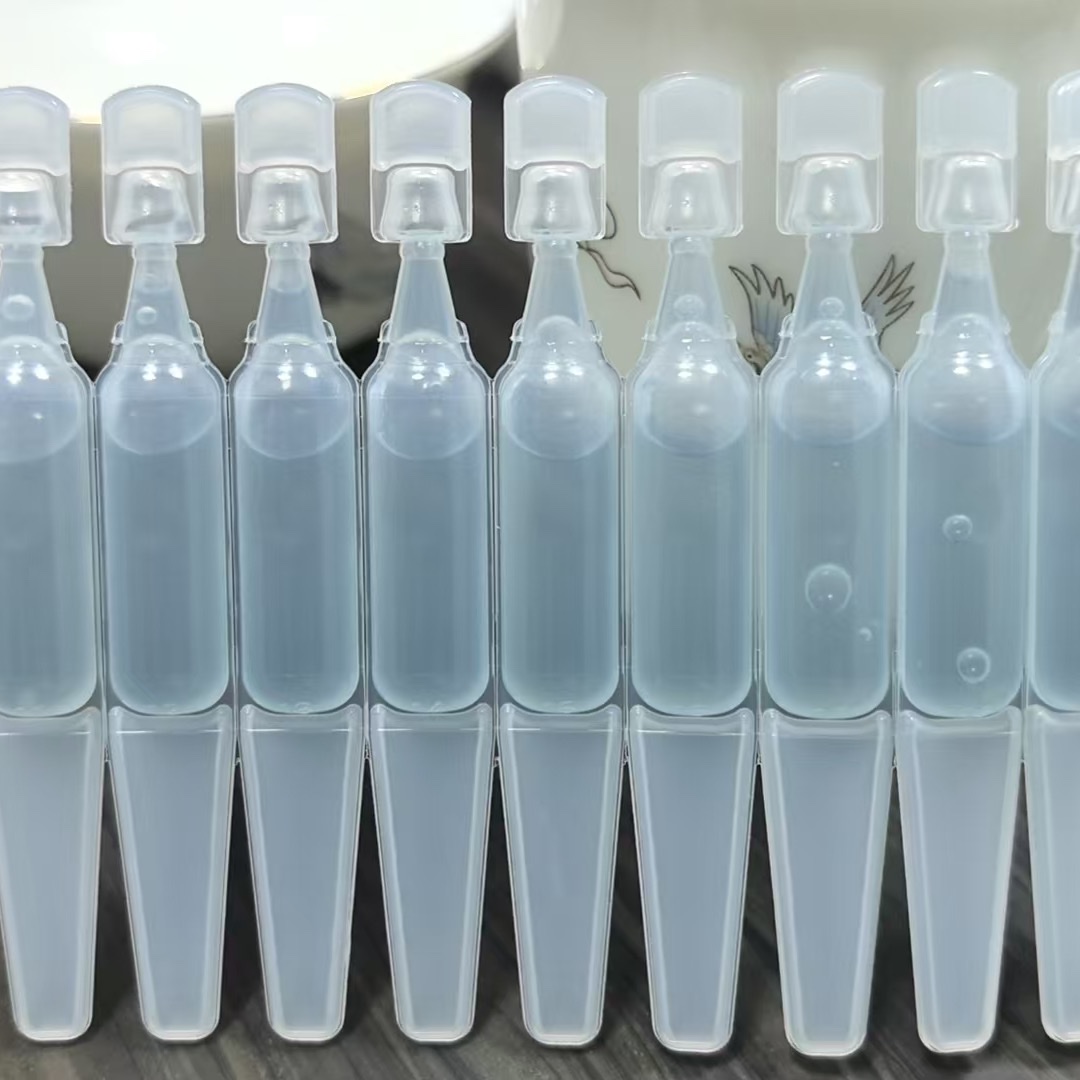
Samples: about 7 days. Production: about 15 days. Counted from confirmation of the formula, artwork and packaging materials; standard specifications.
MOQ: BFS single-dose 10,000 units per formula · Glass ampoules 1,000–2,000 units · Bottles: quoted per product
Custom molds, new formulas and stability testing are quoted separately.
Why brands choose Ectoin
Ectoin can give a hydrating range a focused ingredient story without requiring an elaborate routine. Start with the desired application: a light fluid for layering, a comfortable sample-kit step or a daily bottle serum. Decide how the product should feel after it dries down and which other products it will accompany. Those choices help turn an ingredient request into a workable development brief.
Ectoin is supplied as a water-soluble cosmetic ingredient, and source documentation remains part of the selection process. A commercial material's characteristics should not be confused with evidence for every finished serum that contains it. If a particular origin or production statement matters to the brand, request supporting documents for the selected material instead of copying an ingredient supplier's general positioning.
Format options
| Format | MOQ | Volume | Suitable use | Fit for this ingredient brief |
|---|---|---|---|---|
| BFS single-dose | 10,000 units per formula | 0.5–10 ml | Samples, discovery kits, travel and agreed professional take-home routines. | BFS can provide a compact, sealed unit for a hydrating ectoin brief when the complete formula suits the filling route. Water solubility can help guide formulation choices, but it is not a substitute for compatibility and dispensing evaluation. Assess the actual base and pack together. |
| Glass ampoules | 1,000–2,000 units | Fill agreed per product | Defined unit-dose routines and glass-format product ranges. | Glass ampoules provide an alternative single-use presentation. Evaluate the closure, opening experience and final liquid in the intended container. The format can support a defined skincare step without implying that a particular packaging material adds an unverified cosmetic benefit. |
| Bottles | Quoted per product | Pack size agreed per product | Daily routines and serums better suited to a pump, dropper or another selected dispenser. | A bottle supports a longer home routine and allows the dispenser to be matched to the texture. Compare repeated-use handling, residue and the ease of delivering the intended amount. A watery serum and a more cushiony version can require different closure choices even when they share an ectoin direction. |
Customization
Hyaluronic acid and centella are related serum briefs for a comfortable, hydration-led range. They are not a pre-set combination formula. Concentration is set per project. If a combination is requested, agree the sensory target and intended claims before finalising the ingredient system. The complete recipe and ingredient amounts stay within the NDA process.
Discuss fragrance preference, clarity, colour, skin feel and packaging artwork together. A minimal-looking product still needs a carefully defined sensory brief. Tell the team whether the serum should feel light under moisturiser, more cushiony on its own or suited to a compact discovery routine. Source and sustainability statements should be based on the selected material's documents, not inferred from the ingredient name.
Formulation and stability notes
A raw material may have favourable stability characteristics while the complete serum still needs evaluation. Other ingredients, the base and the final package can change the finished result. Agree the relevant appearance, texture and product-quality checks for the actual project. Do not use an ingredient datasheet as a shelf-life certificate for a new product.
Consider the intended consumer-use pattern and the distribution conditions relevant to your sales channel. The packaging assessment should include the actual dispenser and outer presentation. If a source, grade or companion ingredient changes, compare the resulting product again rather than assuming the marketing name makes it equivalent. Extra development and stability work are scoped separately from standard production timing.
Claims and compliance notes
Keep the public purpose within ordinary cosmetics: hydration, a comfortable skin feel and an appearance-led skincare routine. Do not borrow claims from another product category simply because ectoin is also discussed there. A raw ingredient's role in a supplier presentation is not the same as a substantiated benefit for your branded serum.
Avoid implying a protective rating or a guaranteed response from the ingredient name. Choose the intended claims and supporting finished-product evidence early enough to guide artwork and directions. A specific, modest cosmetic story is easier to explain consistently across a sample kit, a retail bottle and the brand's own product page than a long list of unrelated promises.
FAQ
Is ectoin suitable for a water-based serum brief?
Its water solubility makes that a useful direction to discuss, while the complete base still determines the finished product. Texture, dispensing and compatibility are assessed with the actual formula and package, not inferred from the raw ingredient alone.
Can the brief include hyaluronic acid or centella?
Those are related directions for discussion. A combination is developed as one complete formula with its own sensory and quality targets. Ingredient amounts and the full formulation remain private under NDA.
What quantities and lead time apply?
BFS starts at 10,000 units per formula; glass at 1,000–2,000; bottles are quoted per product. Samples are about 7 days and production about 15 days for standard specifications after the stated confirmations. Additional development and evaluation are scoped separately.