
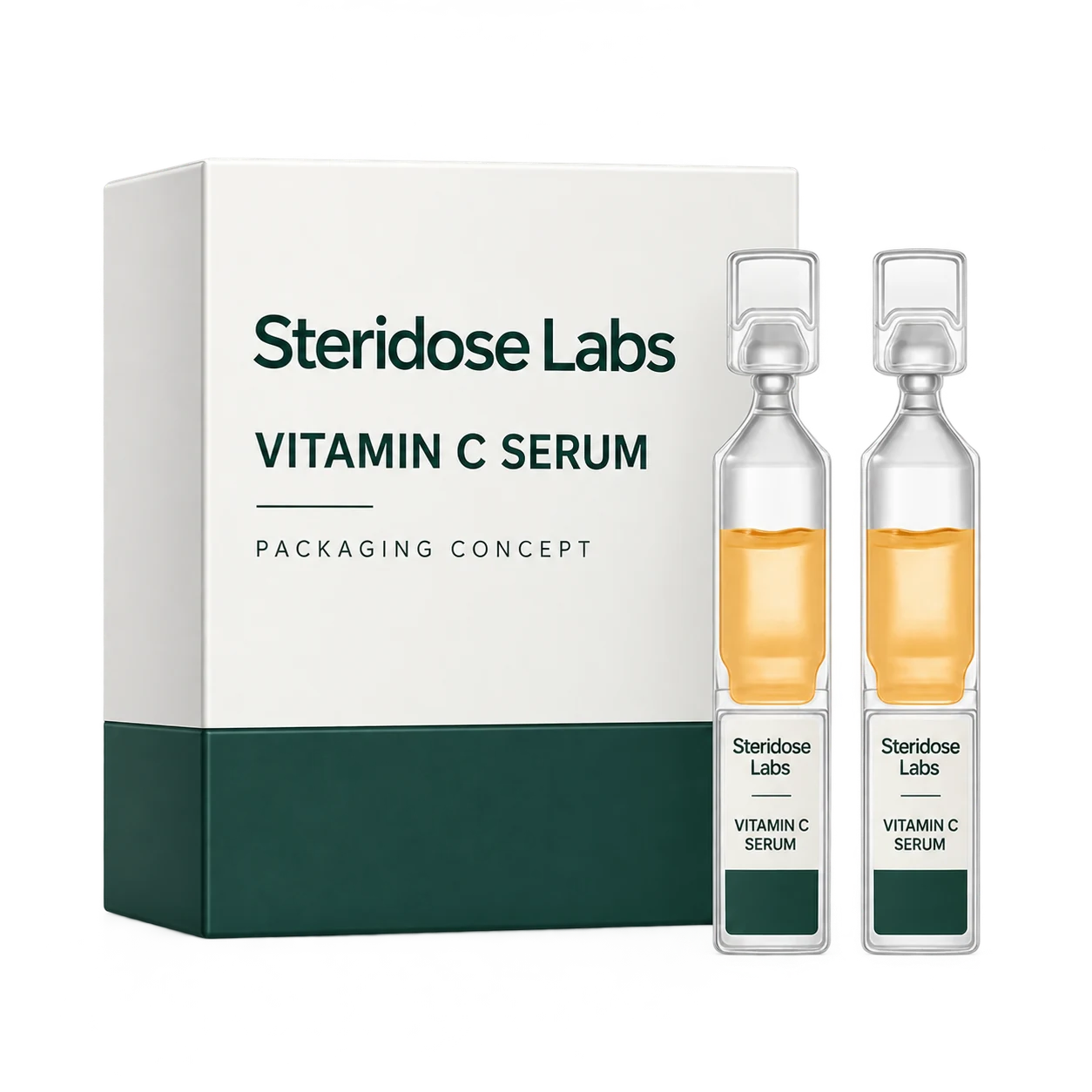
A beauty discovery set lets a brand test story, texture, routine length and channel feedback before putting all attention on the full-size product. For small-dose skincare liquids, the packaging route can shape whether the first experience feels premium, convenient and intentional.
Many brands search for mini skincare set packaging, serum discovery set, travel-size serum kit or beauty sample kit before they ever search for BFS ampoules. That search pattern matters because your team is usually not looking for a technology lesson. They are trying to solve a launch problem: how to let the market experience a formula without overcommitting to full-size inventory.
Mini bottles and sachets may work for some launches. Single-dose ampoules become more interesting when the set needs a measured routine, a clear step-by-step pack-out, travel-friendly handling or a stronger sample presentation for professional, retail and social-commerce channels.
A discovery set can be built around one formula across several days, several formulas in one routine, or one hero ingredient story such as vitamin C, PDRN-style cosmetic serum, hydration booster, scalp-care liquid, cleansing oil sample or active-sensitive serum. The best structure depends on the question the brand wants the market to answer.
For a one-formula discovery set, the goal is usually routine completion. The brand wants the user to try enough applications to understand texture, absorption, sensory feel and usage habit. A 7-count or 10-count ampoule kit can make the routine more visible than a loose sample bag.
For a multi-formula discovery set, the goal is comparison. The customer may need to compare a day serum against a night serum, a hydration booster against a brightening serum, or several textures inside one ingredient story. Separate single-dose units can make the comparison clearer and reduce confusion about order, amount and use occasion.
For a channel-exclusive mini skincare set, the goal is controlled launch feedback. The brand may send the set to a distributor, retailer, clinic/spa supplier, creator group or private-label buyer before committing to a bigger SKU. The set should therefore feel like a real commercial object, not only a lab sample.
Small-dose skincare liquid projects can span 0.5ml–20ml, depending on format and use case. BFS ampoules are typically reviewed around 0.5ml–10ml, while larger or special formats are assessed separately. The fill volume should match the use moment: a face serum, scalp liquid, cleansing oil and body-care sample do not use the same dose logic.
The best pilot brief defines what the set should prove: first-use texture acceptance, packaging premium feel, routine completion, channel feedback, creator response, distributor interest or conversion from sample to full-size purchase. Without that commercial question, a discovery set can become just another attractive box with unclear value.
Packaging decisions should be made together: primary format, count per set, label panel, carton or tray structure, instruction card, pack-out sequence and launch channel. A discovery set that looks premium but is hard to explain can fail in professional channels. A set that ships well but feels too cheap can undercut the brand story.
For turnkey and private-label partners, a discovery set can become a repeatable module. The partner keeps the brand relationship while adding BFS ampoules as a small-dose option for client projects. Conventional skincare formats can supplement the kit when they better suit another product in the routine.
Before requesting quotation, your team should prepare formula status, target market, intended use case, target fill volume, set count, package presentation, artwork status, pilot quantity and the decision criteria for moving to scale. If the brand is comparing ampoules, sachets or mini bottles, the brief should name the current problem and distinguish market alternatives from the confirmed supply scope.
A discovery set is usually a good fit when the product needs education, comparison, routine building or channel proof. It may not be the best first route when the brand has no formula story, no target channel and no plan for measuring feedback. In that case, the project should first clarify whether the goal is sampling, retail conversion, distributor sell-in, creator feedback or private-label presentation.
The strongest success signals are not only likes or first impressions. A discovery set should help the brand learn which formula earns attention, whether the dose feels right, whether users finish the routine, whether the carton communicates the story and whether the channel would reorder or scale the format. That information is what turns a sample set into a pilot decision.
Standard BFS commercial pilot production usually starts from 10,000+ units. A 5,000-unit BFS run is not currently confirmed; written factory approval is required before it can be quoted. For teams searching beauty discovery set or mini skincare set packaging, the strongest next step is a pilot review that connects the formula, use case, pack-out and scale-up path.
Ready to Move This Topic Into Execution?
Use one primary path and one backup path so decision-making stays clear.