
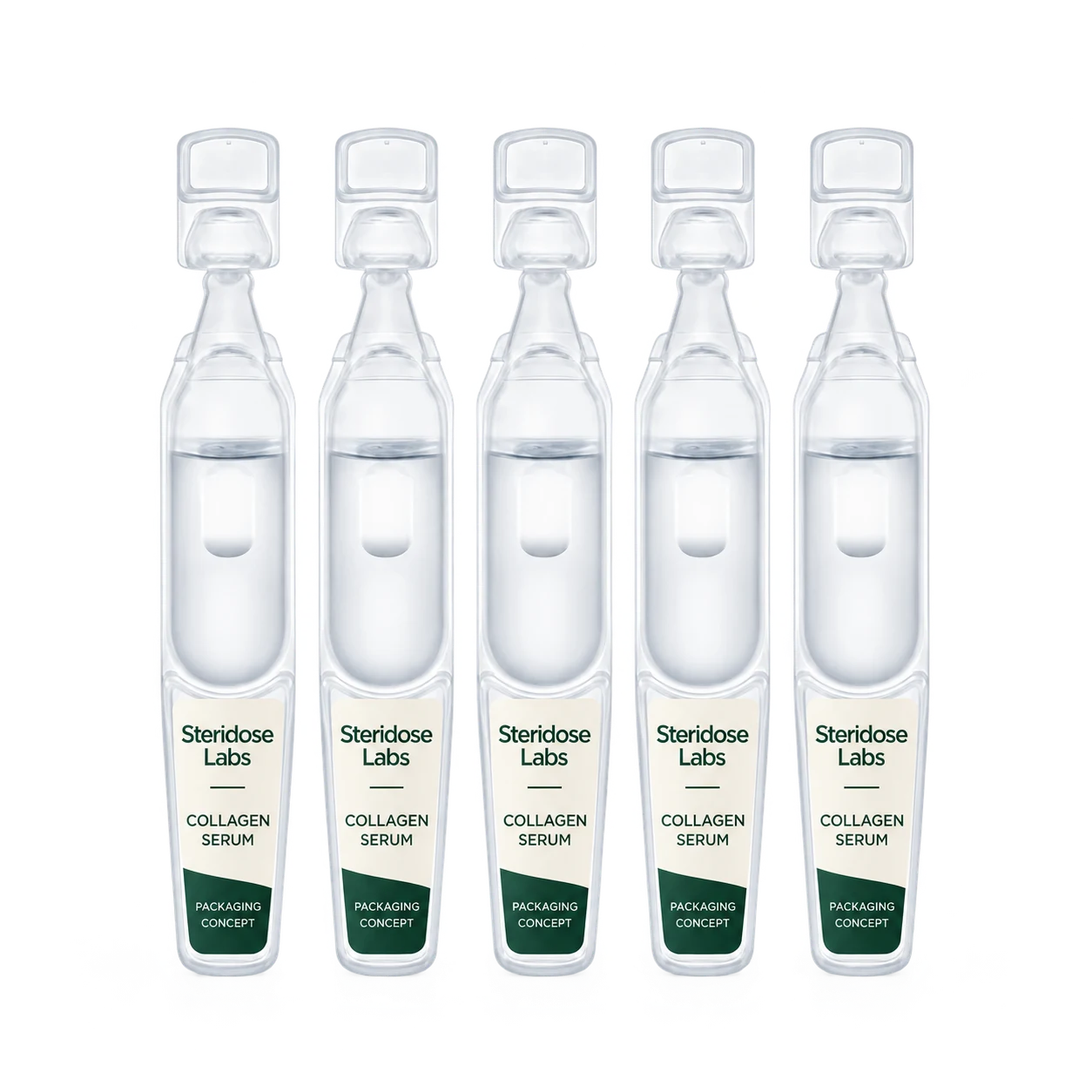
Beauty sample kit packaging is a stronger search path than BFS for many sourcing teams. A brand may not know the term BFS, but it may already be looking for a better way to build trial kits, GWP inserts, discovery sets, retail sampling packs or channel-specific sample programs.
That is why supplier communication should not start with machine language. It should start with your project's commercial question: how can we let more people try the formula, understand the routine and remember the brand without giving away a full-size product or building too much launch inventory?
A sample kit is rarely just a small package. It is a conversion tool. In retail, it can help a shopper test texture before buying the main SKU. In a GWP campaign, it can lift perceived value without discounting. In a clinic or spa channel, it can help staff hand off a routine with clearer instructions. In creator seeding, it can make a product easier to film, ship, compare and review.
Single-dose ampoules can support a trial kit when the brand wants measured units, a premium pack-out, clear routine sequencing and a compact carton. Compared with sachets, an ampoule can feel more structured and easier to dose. Compared with mini bottles, it can reduce component complexity. Compared with glass ampoules, polymer formats can be lighter, less fragile and easier to place into travel, GWP or discovery kits.
The best beauty sample kit projects usually begin with one specific use case instead of a generic request for samples. Examples include a 7-day serum introduction kit, a 10-count GWP insert, a two-step brightening routine, a travel-size hydrating set, a professional skincare sample kit for clinic/spa channels, a distributor sell-in pack, or a creator seeding kit designed for feedback and content.
0.5ml–20ml small-dose skincare liquid projects, depending on format and use case. BFS ampoule projects are typically reviewed around 0.5ml–10ml, while larger or special formats should be evaluated separately. The exact volume should be chosen from the routine, not from a capacity chart alone. A leave-on serum, a scalp liquid, a cleansing oil sample and a GWP booster do not need the same fill logic.
For trial kits, the packaging should make the routine obvious. Your team should be able to understand the number of uses, the order of application, the amount per use and the value of the format without reading a long explanation. This is why strip count, carton structure, label panel, opening behavior and pack-out presentation matter as much as the primary container.
For GWP sampling, the commercial pressure is different. The sample has to feel premium enough to support a purchase decision, but efficient enough for a campaign. Brands often want a format that can sit inside a gift set, mailer, retail bag or influencer package without leaking, breaking or feeling like a low-value insert.
For discovery sets, the key question is comparison. A brand may want users to compare several formulas, textures or routines before choosing a full-size product. In that case, a single-dose system can help separate each formula cleanly, keep the kit visually organized and give the brand better feedback on which formula earns the strongest response.
For creator seeding, compact single-dose formats can make fulfillment more practical. A creator can receive several uses, show the product shape on camera and explain the routine without handling a heavy bottle or fragile glass ampoule. The package becomes part of the content asset, not only a sampling cost.
Your team should prepare the sample objective, formula status, target fill volume, desired unit count, carton or tray idea, first channel and estimated pilot quantity. Start by reviewing BFS ampoule fit. Conventional bottles, jars, traditional ampoules and blister packs are supplementary options for suitable projects; any wider comparison with sachets or vials should be distinguished from the confirmed supply scope.
A useful sample-kit pilot should answer five questions. Does the format make the first use feel premium? Is the dose suitable for the formula? Can the kit be packed and shipped efficiently? Does the customer understand the routine quickly? Does the sample create enough feedback, trial conversion or channel interest to justify a larger run?
Not every sample kit needs BFS. If the campaign is a very low-cost mass giveaway and the formula does not need a premium use experience, sachets may be enough. BFS ampoules become more relevant when the brand wants a stronger product feel, clearer dose control, better trial-kit presentation or a bridge from sample to full-size purchase.
Standard BFS commercial pilot production usually starts from 10,000+ units. A 5,000-unit BFS run is not currently confirmed; written factory approval is required before it can be quoted. For brands searching beauty sample kit packaging, the right next step is a format-fit review that connects the formula, sample objective, channel plan, pack-out idea and scale-up path.
Ready to Move This Topic Into Execution?
Use one primary path and one backup path so decision-making stays clear.