
01
Scope lock
Confirm formula direction, intended fill volume, packaging route, target market, and acceptance criteria before material planning begins.
Pilot-to-scale solution
Validate formulation, packaging, workflow, and economics in a disciplined pilot before full-scale rollout. Built for single-dose skincare teams that need decision clarity, not just sample output.
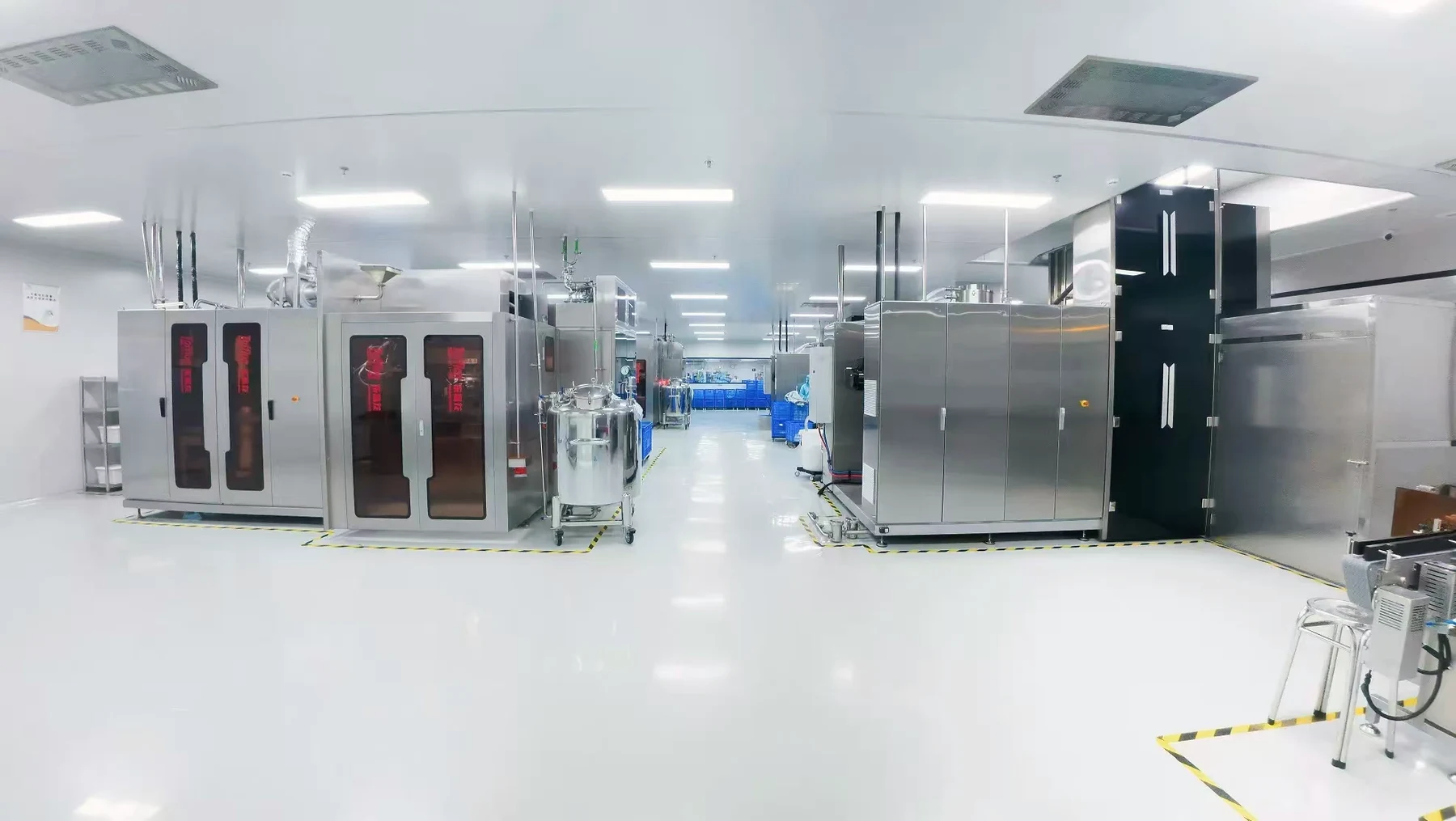
Pilot evidence output
Pass/fail criteria, process observations, packaging fit notes, and a practical scale-up recommendation.
3
Pilot gates
scope, readiness, decision
1
Hero format
locked before pilot starts
4
Evidence areas
formula, pack, line, economics
1
Scale decision
go, re-pilot, or redesign
Advanced pilot process
The pilot path defines what is controlled, what evidence is collected, and how the team turns a trial run into a clear launch decision.
01
Confirm formula direction, intended fill volume, packaging route, target market, and acceptance criteria before material planning begins.
02
Review polymer fit, viscosity window, closure logic, fill behavior, and line checkpoints for a controlled engineering run.
03
Run the pilot against predefined checks for fill accuracy, seal behavior, handling, sampling, and documentation discipline.
04
Translate pilot evidence into one clear outcome: proceed to scale, run a focused second pilot, or redesign the weak link.
Specificities
A useful pilot does not try to answer every future question. It answers the questions that determine whether a single-dose skincare program is ready for its next commercial commitment.

Advantages
Pilot evidence helps surface formula, polymer, filling, and sealing questions before the commercial timeline becomes rigid.
The pilot result gives commercial teams a cleaner basis for launch volume, reorder logic, and scale-up assumptions.
R&D, procurement, brand, and operations work from one shared scorecard rather than separate interpretations of sample output.
A structured pilot reduces the chance that packaging, workflow, or validation issues appear only after production commitment.
Application fields
Choose the use case your pilot needs to evaluate. Review sample handling, pack-out and customer feedback against the intended channel before deciding whether to scale.
Evaluate single-dose routines for clinics, spa suppliers, professional samples, and take-home retail programs.
Evidence focus: handling, single-use clarity, channel fit
Open related pageCheck whether the formula and package route fit BFS ampoules, conventional skincare bottles, sachets, vials, or mini bottles.
Evidence focus: formula exposure, polymer fit, stability assumptions
Open related pageUse pilot evidence to align trial use, take-home format, and brand presentation before committing to launch volume.
Evidence focus: format, refill logic, launch-volume readiness
Open related pageTechnical checklist
This replaces a generic "send samples" path with a more useful buyer action: review the formula, package, line, and decision criteria together.
Request readiness reviewPilot objective
Decision-ready evidence before scale commitment
Typical review areas
Formula behavior, pack fit, line readiness, QA checkpoints
Format focus
Single-dose skincare ampoules and monodose formats
Decision output
Scale, focused second pilot, or redesign recommendation
Quick answers to common questions about pilot-run planning, readiness, and scale decisions.
Book a pilot architecture session and leave with explicit go/no-go criteria, risk owners, and a decision timeline.
Formula & packagingOne coordinated project brief
BFS skincare ampoulesOur core OEM/ODM offering
Sample & pilot reviewConfirm before production
Manufacturing evidenceSite-specific documentation