
01
Use-case and channel review
Clarify whether the run is for trial kits, GWP, travel sets, clinic/spa samples, private label or a turnkey partner project.
MOQ commercial planning
MOQ planning should be tied to the pilot use case, filling volume, kit structure, packaging complexity and expected scale-up path.
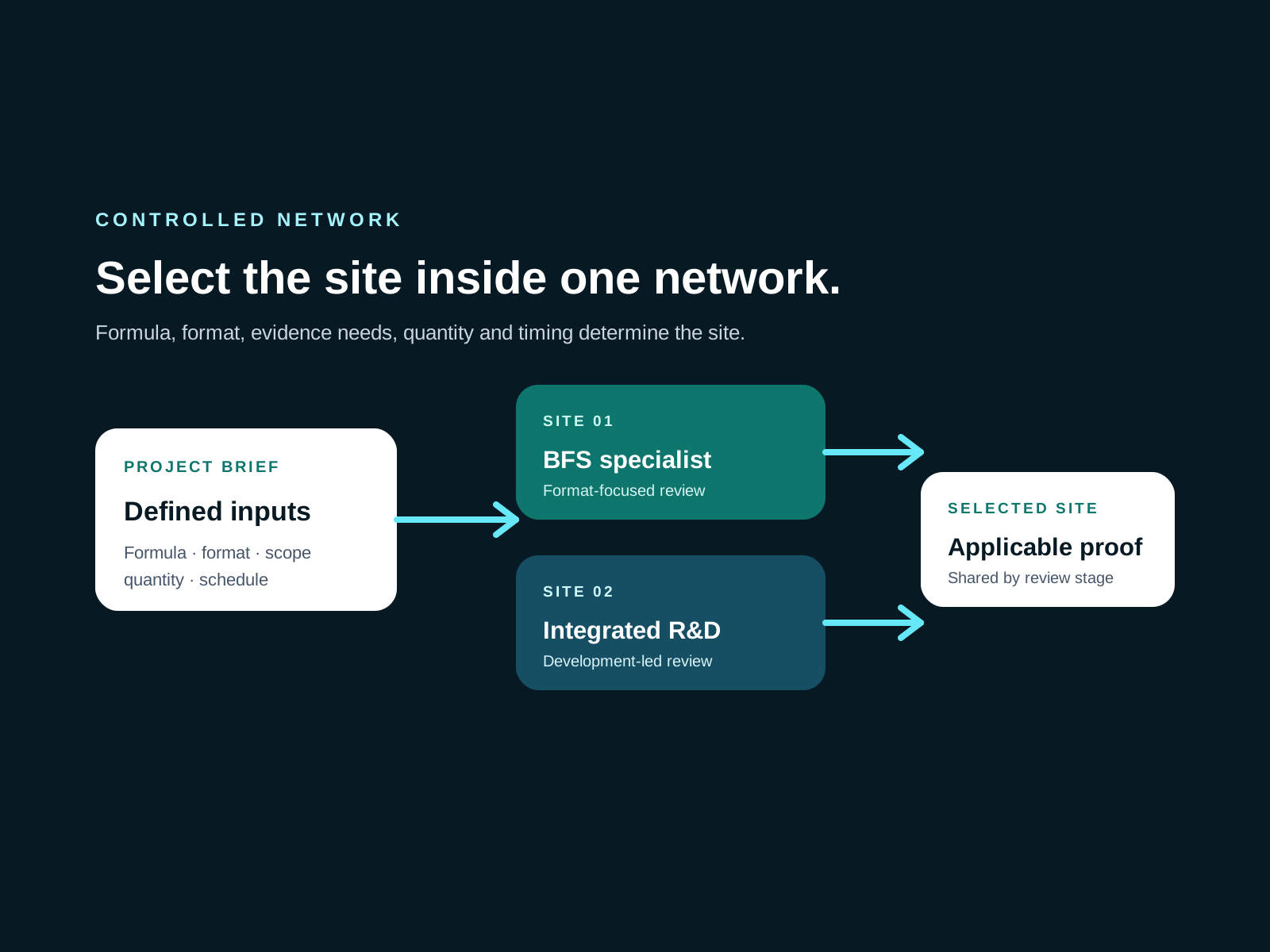
Planning output
A practical MOQ route that connects format selection, pack-out needs, pilot quantity and the next production decision.
3
Volume cases
low, base, upside
1
Pilot input
evidence before scale
4
Planning areas
SKU, cost, cash, reorder
1
Launch decision
commit or stage
MOQ decision logic
Plan from 10,000+ filled ampoules per formula for BFS production. A 5,000-unit BFS run is not currently confirmed; smaller runs require written factory approval. Final MOQ depends on formula, fill volume, tooling and pack-out. Selected conventional skincare products have a quoted MOQ of 1,000 finished units per product using selected standard packaging and individual cartons. This does not apply to every formula or pack. Custom moulds, decoration and special packaging can increase the MOQ.
01
Clarify whether the run is for trial kits, GWP, travel sets, clinic/spa samples, private label or a turnkey partner project.
02
Use fill volume, strip style, pack-out complexity and formula behavior to define a realistic pilot quantity.
03
Model whether the first launch needs one hero SKU, a kit, or staged format expansion.
04
Translate pilot outcome, channel plan and next-order logic into the right standard MOQ or selective review path.
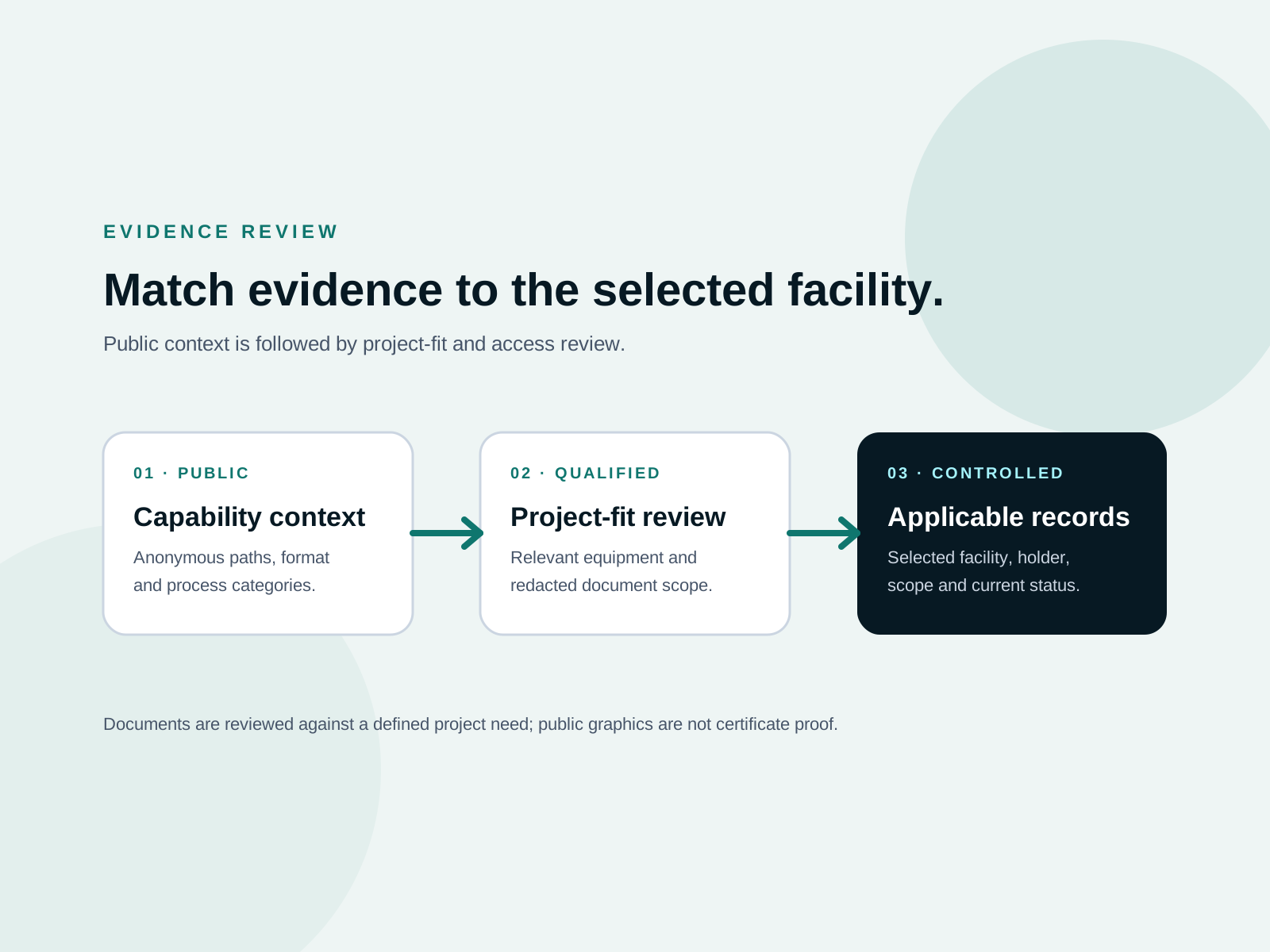
Operational evidence
Volume decisions become stronger when the team can see how formula behavior, line readiness, packaging complexity and channel plan fit together.
Advantages
Scenario ranges reduce the chance of overbuying before demand is proven.
Volume decisions can be tied to margin floor, payment timing, and payback window.
The launch can start with the formats most likely to support repeatable demand.
Pilot evidence helps teams choose when to stage, scale, or hold production.
Application fields
MOQ risk is highest when a team is balancing premium launch ambition, multiple SKUs, uncertain reorder speed, and production lead time.
Turn pilot evidence into a first-production quantity and reorder trigger.
Evidence focus: line fit, scrap, timing, first lot size
Open related pageSet a practical launch range for clinic retail, sample kits, and reorder cadence.
Evidence focus: channel volume, staff adoption, repeat demand
Open related pagePlan kit component counts and single-dose units without locking too much inventory too early.
Evidence focus: kit count, pack-out labor, replenishment
Open related pageScoping checklist
A useful MOQ brief connects launch channel, SKU structure, fill volume, pack-out expectation, pilot status and reorder assumptions before quote comparison starts.
Request MOQ planning reviewProgram role
Commercial quantity planning for single-dose skincare launches
Who should use it
Founders, procurement teams, commercial leads, and operations teams planning a launch quantity
Inputs to prepare
Target market, first SKU list, pilot status, expected launch channel, fill volume, kit structure, and timing
Review output
A practical MOQ path with standard 10,000+ production planning or smaller-run feasibility subject to written factory approval
Quick answers to common questions about MOQ planning, launch quantity, and pilot-backed scale decisions.
Share the format, fill volume, channel, kit structure and launch plan so the team can review whether 10,000+ production or a smaller quantity is feasible; smaller runs need written factory approval.
Formula & packagingOne coordinated project brief
BFS skincare ampoulesOur core OEM/ODM offering
Sample & pilot reviewConfirm before production
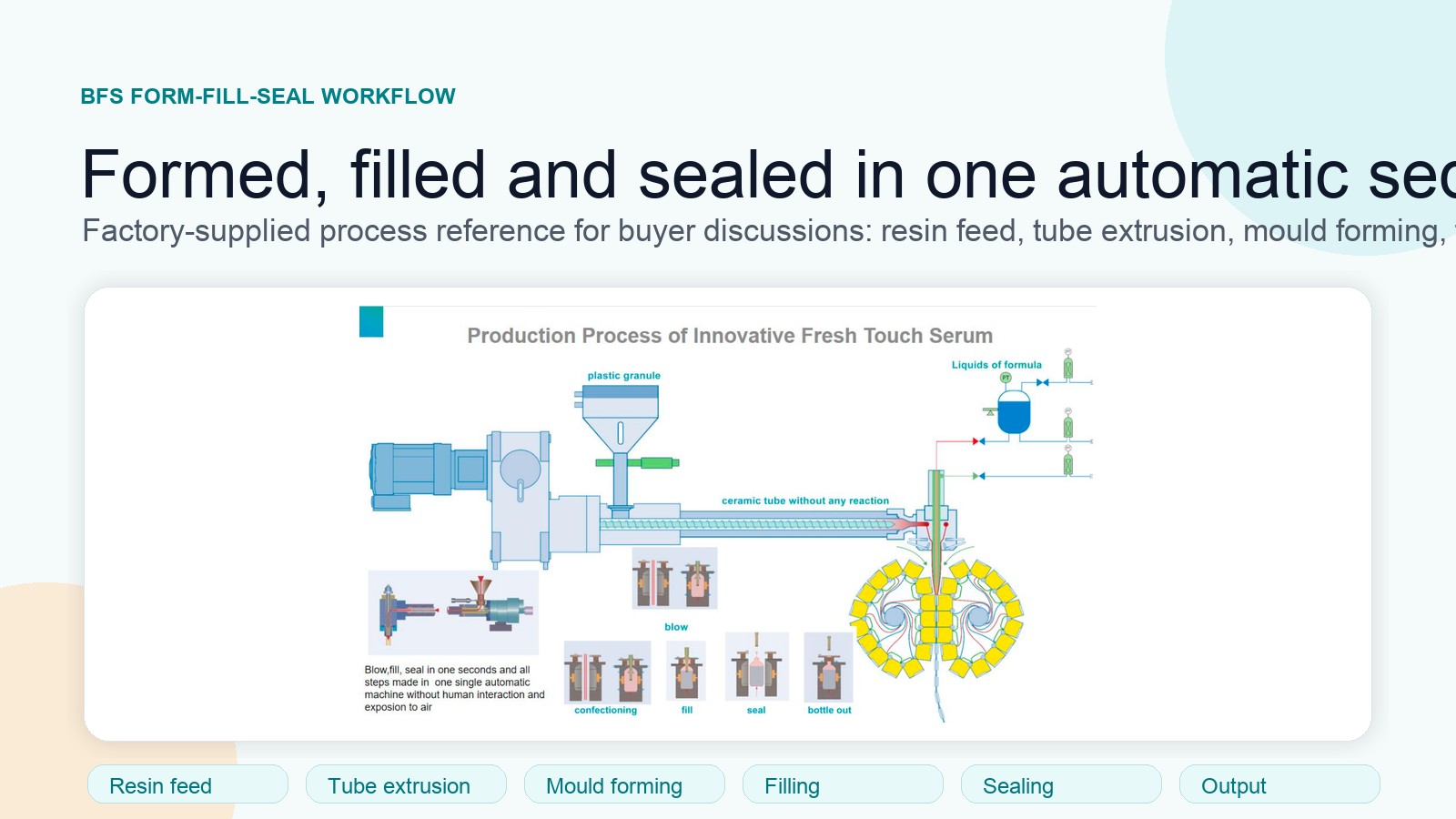
Manufacturing evidenceSite-specific documentation