
Compare skincare minis and single-dose packs by the routine they need to demonstrate: one application, several days of use, or a complete discovery set. The intended channel, formula and units per kit determine which format is worth evaluating.
A consumer trial sample helps someone experience a product. A commercial production pilot helps a brand assess the filled product, packaging and channel response before a larger run. Agree which question the project needs to answer before choosing quantities.
A skincare mini is usually a smaller version of the main product. It may use a mini bottle, tube, sachet, vial or small jar. A single-dose pilot is different. It is designed to test whether one controlled use, one pack count and one campaign route can create better feedback before a commercial launch.
For an ampoule serum project, compare glass ampoules, BFS ampoules, mini bottles and sachets against the same brief: formula compatibility, intended amount per use, opening method, transport and presentation.
The commercial question matters more than the container. A pilot should ask whether a 7-day serum discovery kit improves first-use confidence, whether a GWP insert creates a stronger response, whether a travel-size skincare routine feels more premium, or whether a clinic/spa team can hand over a sample without extra explanation.
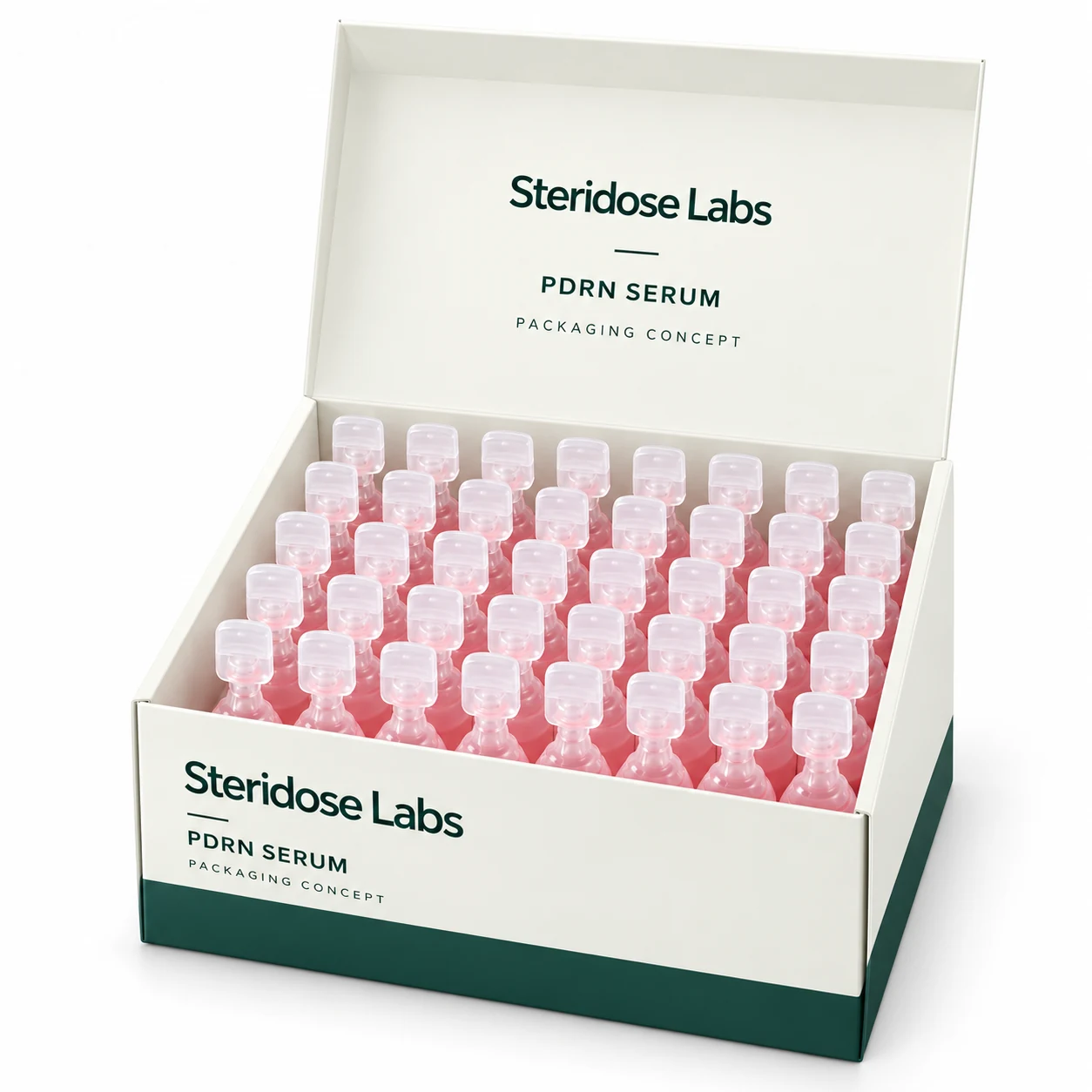
BFS LDPE ampoules can be a useful route when the brand wants a lightweight, single-dose ampoule for serum, essence, booster or topical cosmetic liquid. They can feel more structured than sachets, avoid glass handling concerns, and support trial kits, travel sets, GWP sampling and channel-exclusive pilot SKUs.
Liquid-filled swab applicators are a separate market comparison when a product needs direct application to a small area. Steridose does not currently offer swabs or applicators. If the current routine uses a separate applicator, a BFS ampoule review should check how the liquid will be dispensed and applied rather than assume it provides the same application function.
The best pilot brief starts with the buyer's current format. Are they using sachets, mini bottles, glass ampoules, small vials, droppers, bottle plus swab, pads or brushes? The next question is what they want to improve: premium feel, travel convenience, breakage risk, cleaner application, GWP response, distributor feedback or sample conversion.
Standard BFS commercial production starts from 10,000 filled units. A lower BFS quantity is not a confirmed offer and requires written factory approval before quotation. Traditional ampoules start from 5,000 units as a separate route.
Brands should prepare formula status, target fill volume, intended channel, pack count, pilot quantity, expected follow-up order and confidentiality needs. If the formula is not final, factory R&D support or formula modification may be needed before the packaging route can be reviewed. If the buyer owns a confidential formula, an NDA formula transfer path can be discussed.
Choose the format that gives your team useful product and channel feedback. Define what will be reviewed after the pilot, who will approve the result and what would justify a repeat production run.
Steridose Labs focuses on BFS skincare OEM/ODM for ampoule serum sampling, discovery kits, GWP programs, travel sets, clinic/spa samples and turnkey launches. Traditional ampoules, bottles, jars and blister packs are supplementary options. Teams can start with formula type, target fill volume, channel use case and estimated quantity to confirm project fit.
Ready to Move This Topic Into Execution?
Use one primary path and one backup path so decision-making stays clear.