
Mini serum trial SKU
Build a small serum unit for trial kits, ecommerce inserts, travel sets or distributor testing before full-size launch.
Mini serum packaging
For skincare brands, private-label teams and sourcing teams comparing mini bottles, sachets, glass ampoules and BFS ampoules before a quote-ready serum sample pilot.
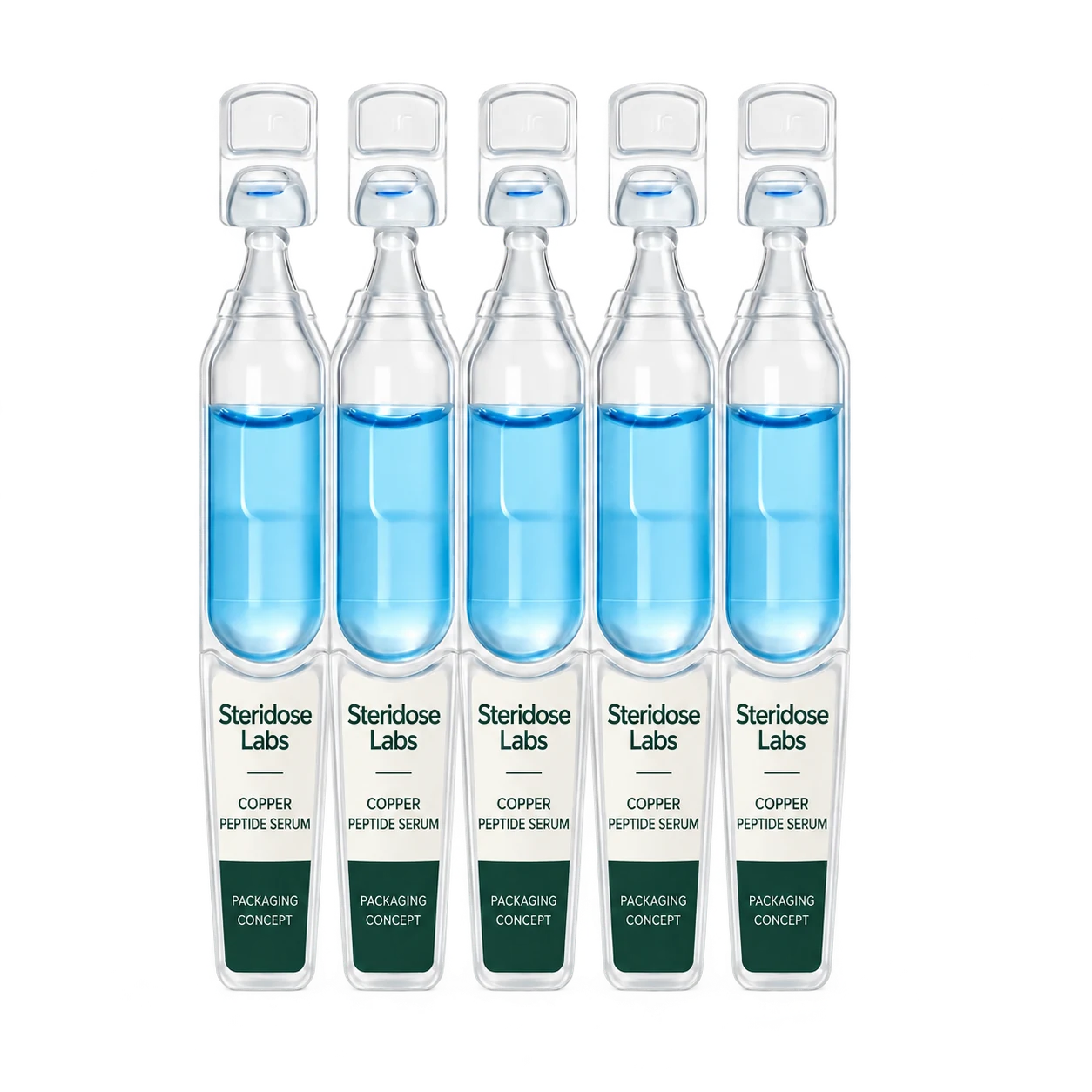
1-5ml
Common brief
Mini
Serum route
10k+
BFS production
Build a small serum unit for trial kits, ecommerce inserts, travel sets or distributor testing before full-size launch.
Compare whether a one-use ampoule route can reduce components, repeated opening and pack-out footprint.
Use a mini serum format when the brand needs stronger perceived value than a sachet for a high-value formula.
Turn a vague mini serum packaging request into fill volume, formula status, pack count and pilot quantity.
Route comparison
A mini serum request can mean a paid travel SKU, a one-use premium sample, a discovery kit unit or a distributor demo. The format should match that commercial job before unit price is discussed.
Multi-use trial, paid travel SKU or familiar retail mini
More components, repeated opening, larger pack-out and higher assembly complexity.
Mass low-cost sampling and broad inserts
Often weaker perceived value for premium serum and less distinctive in discovery kits.
Prestige ampoule story and familiar serum ritual
Breakage, weight, travel restrictions and distributor handling can affect campaign fit.
Lightweight single-use mini serum samples for trial, GWP, travel and discovery pilots
Needs formula-fit, fill-volume, opening style, secondary pack and scale-up review.
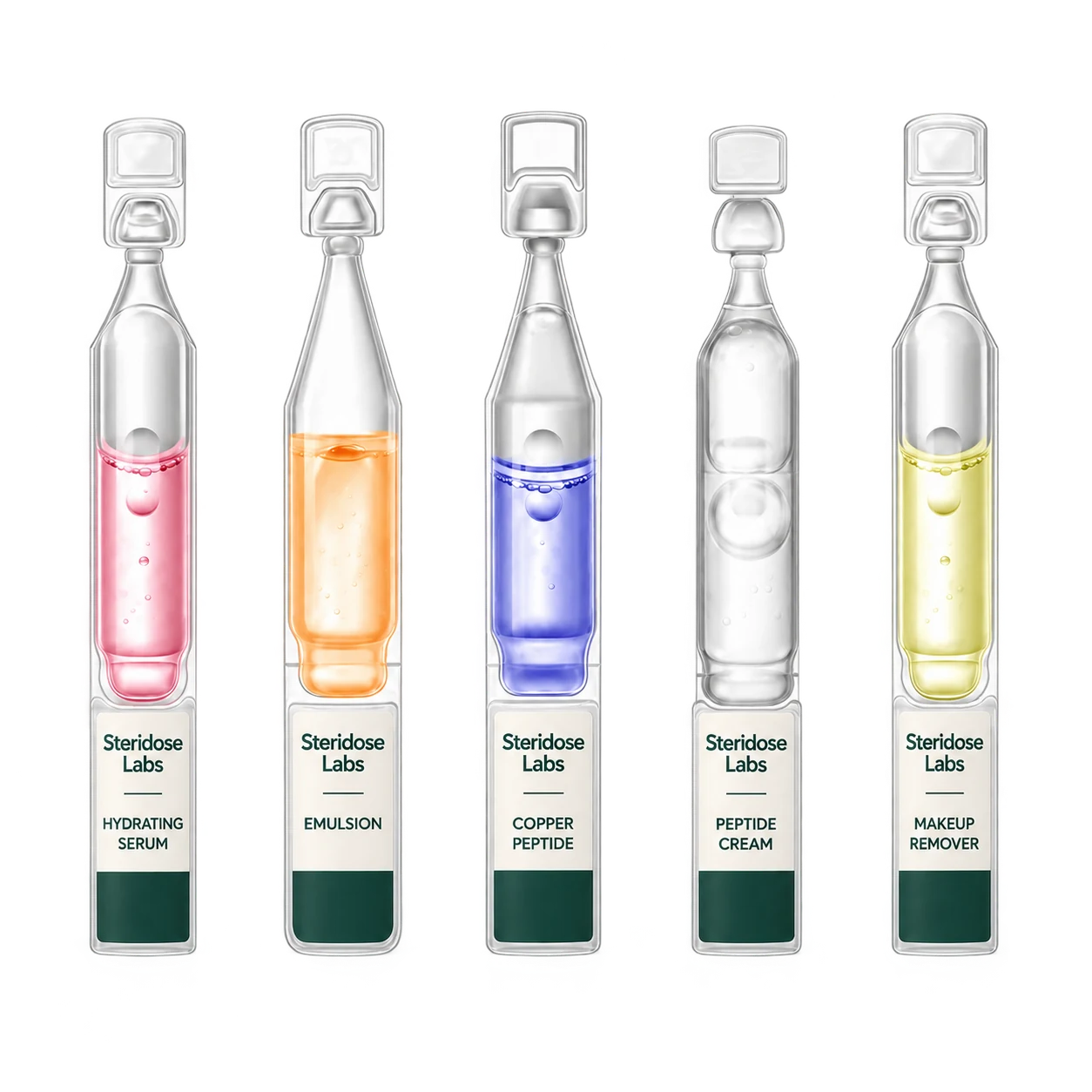
Pilot fit
Your team knows why the mini serum is needed: trial kit, GWP, ecommerce insert, paid mini, travel routine or distributor sample.
The project can define a target fill volume such as 1ml, 2ml, 3ml, 5ml or another use-based direction.
The team has compared the current or expected route: sachet, mini bottle, vial, glass ampoule, plastic ampoule or no package yet.
The formula status is clear enough for review: ready formula, NDA transfer, modification needed or factory formula direction.
The pilot has a measurable scale-up signal: feedback, conversion, reorder intent, distributor approval or revised pack plan.
RFQ checklist
Mini serum packaging projects often start broad. A strong RFQ tells the supplier which route is being compared and what outcome the pilot must prove.
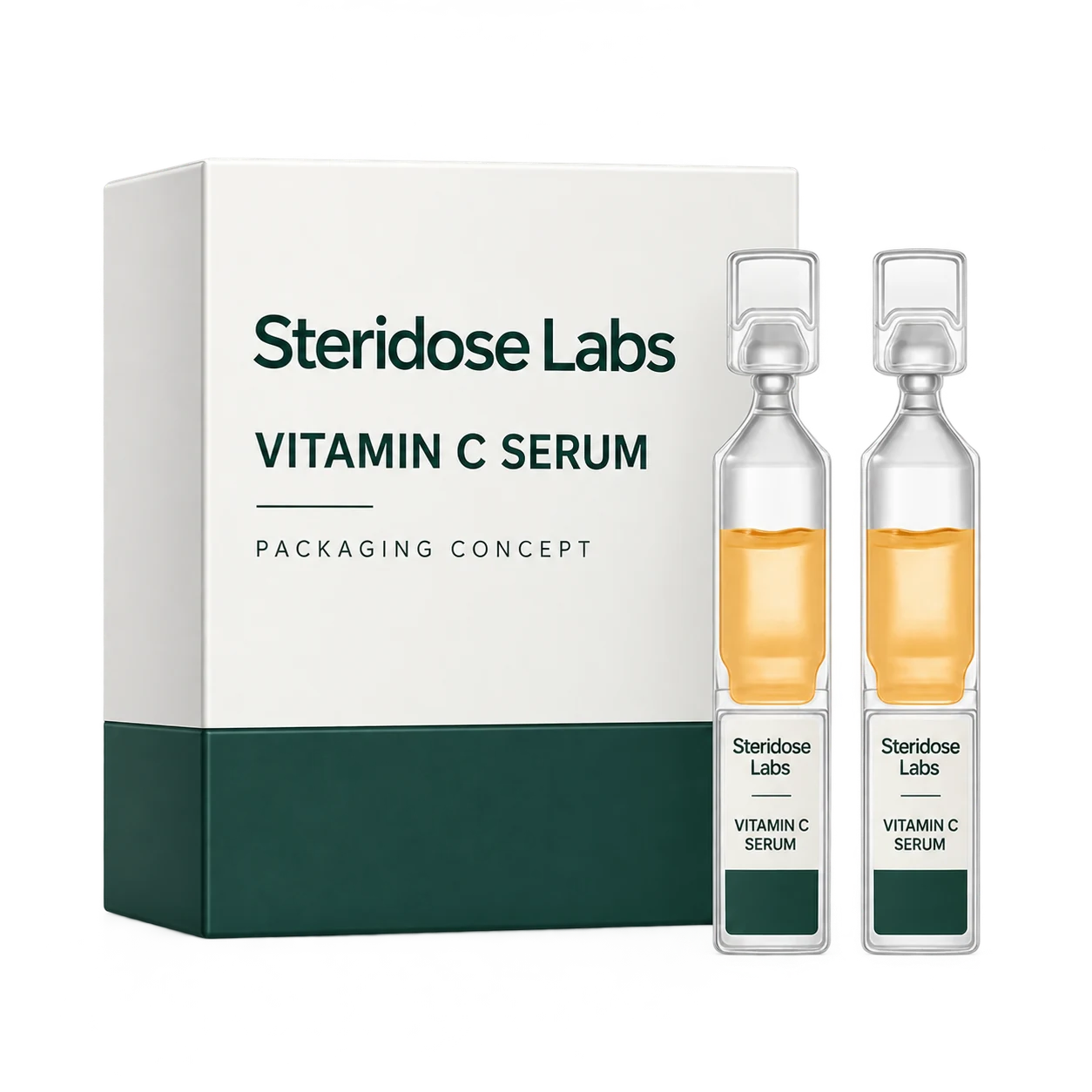
Mini serum purpose: trial kit, GWP, discovery kit, travel set, creator seeding, retail mini or distributor demo.
Serum type and formula status: brightening, hydrating, firming, barrier, scalp, ready formula, NDA transfer or no formula yet.
Preferred format or comparison route: mini bottle, sachet, vial, glass ampoule, BFS ampoule, plastic ampoule or unsure.
Target fill volume, unit count and pack-out: single unit, 3-count, 5-count, 7-count, 14-count, pouch, tray, carton or kit box.
Brand and market needs: label direction, artwork timing, target country, quality documents and launch timing.
BFS pilot quantity and next-order plan: standard 10,000+ units, smaller-run feasibility subject to written factory approval or larger scale-up target.
Supplier qualification
Steridose Labs helps your team connect serum formula status, mini format choice, secondary pack, quality document needs and pilot-to-scale planning.
Review the evidence behind the proposal
Identity and scope
Confirm the document holder, production site and applicable product scope.
Relevant records
Review available quality-system references and project-specific requirements.
Pilot evidence
Agree on compatibility, quality checks and acceptance records before scale-up.
Document access depends on project qualification and confidentiality.
Screen whether the mini serum request fits BFS ampoules, another small-dose route or a different packaging path.
Move from a broad packaging idea to formula status, fill volume, pack-out, documents and channel objective.
Use the first pilot to test handling, instructions, perceived value and reorder confidence before larger volume.
Next step
Include formula status, current or preferred packaging route, target volume, units per kit, secondary pack, market documents, pilot quantity and the signal that would justify scale-up.
FAQ
It usually means a brand or sourcing team is comparing small serum formats for trial kits, GWP, travel, discovery sets or distributor testing. The supplier review should start from use case, fill volume, formula status and channel, not only container cost.
Not always. Travel-size serum packaging is one scenario. Mini serum packaging can also include premium samples, discovery kits, GWP inserts, paid mini SKUs, creator seeding and distributor pilot packs.
Yes, when the project needs a lightweight one-use serum format, clearer dose control, reduced components or a more kit-ready route. Final fit depends on formula behavior, fill volume, opening style and secondary packaging.
Standard BFS commercial pilot production usually starts from 10,000+ units. A 5,000-unit BFS run is not currently confirmed; written factory approval is required before it can be quoted.
Formula & packagingOne coordinated project brief
BFS skincare ampoulesOur core OEM/ODM offering
Sample & pilot reviewConfirm before production
Manufacturing evidenceSite-specific documentation