
Pilot run planning
10,000+ Unit Single-Dose Pilot Review for Small-Dose Skincare Packaging
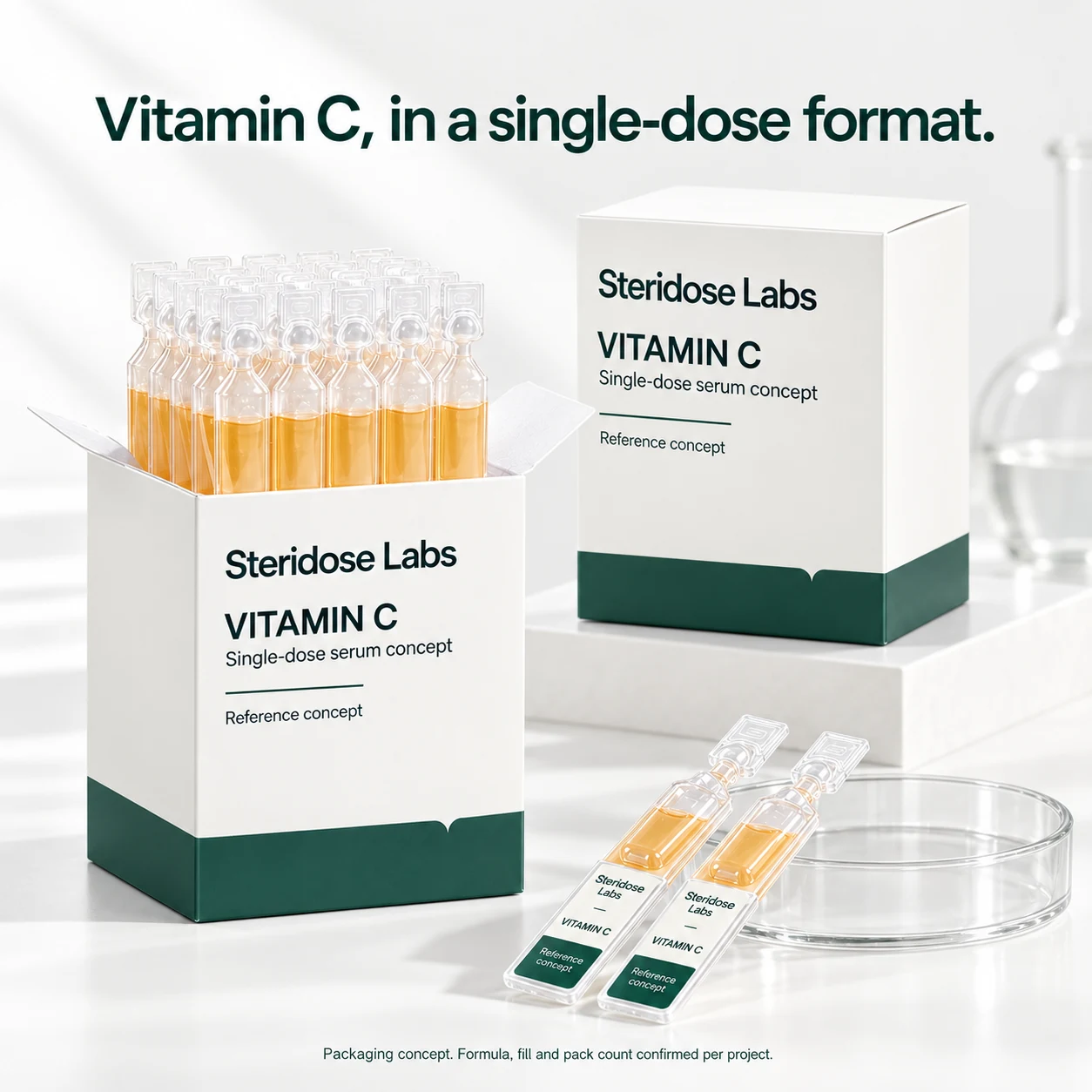
For skincare teams evaluating serum trial kits, GWP sampling, travel sets, glass ampoule alternatives, conventional skincare bottles or turnkey beauty projects before committing to a larger commercial run.
10k+
BFS starting quantity
<10k
Written factory confirmation
BFS
Partner resources
Pilot formats
Connect the format, pack and commercial use case before scale-up.
A pilot review should connect the format to a real launch question: trial kit response, GWP value, travel set appeal, glass ampoule alternative or conventional bottle comparison.
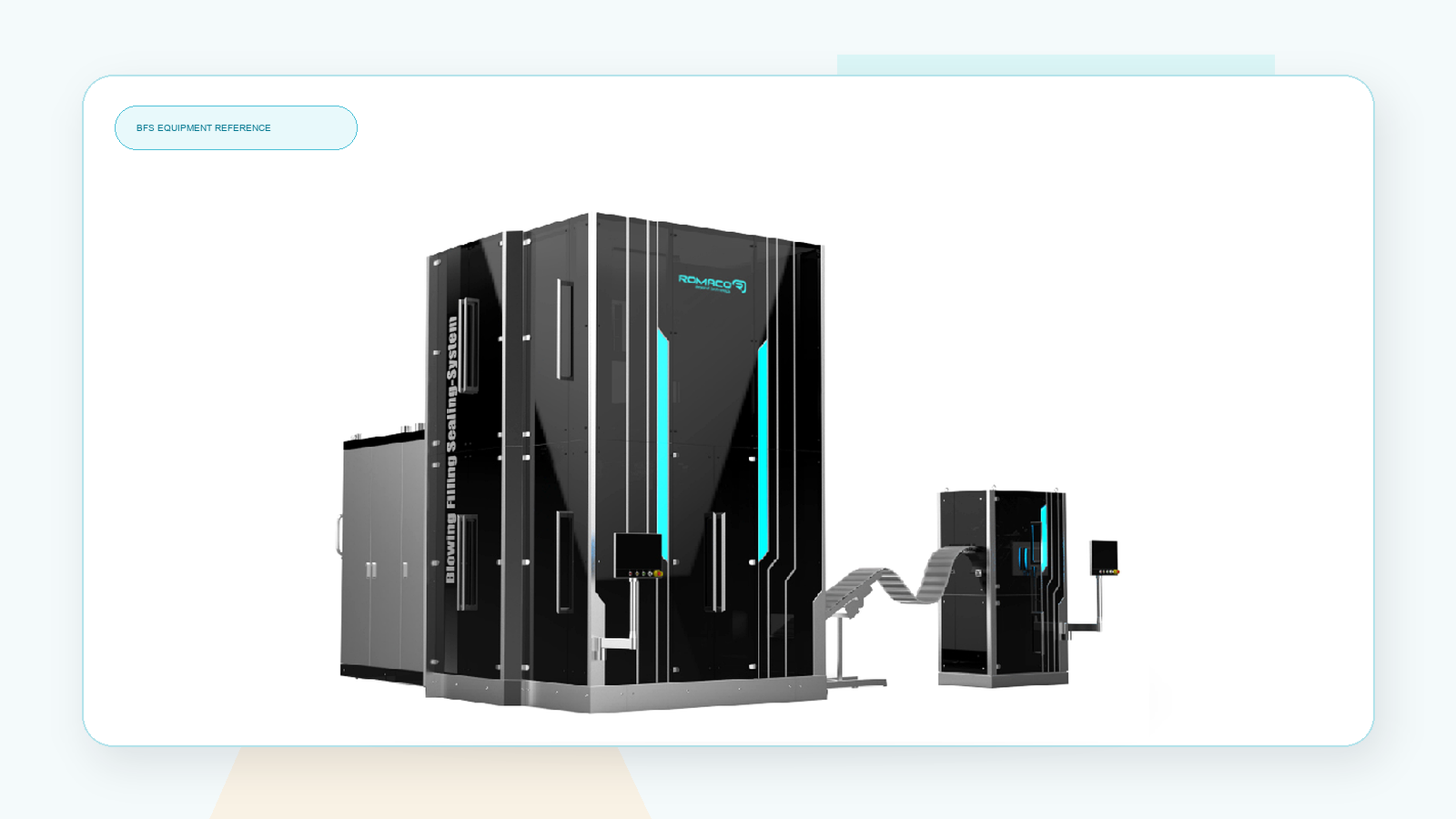
BFS equipment-backed capacity
For standard 10,000+ pilot planning, smaller-run feasibility subject to written factory approval and pilot-to-scale capacity discussions.
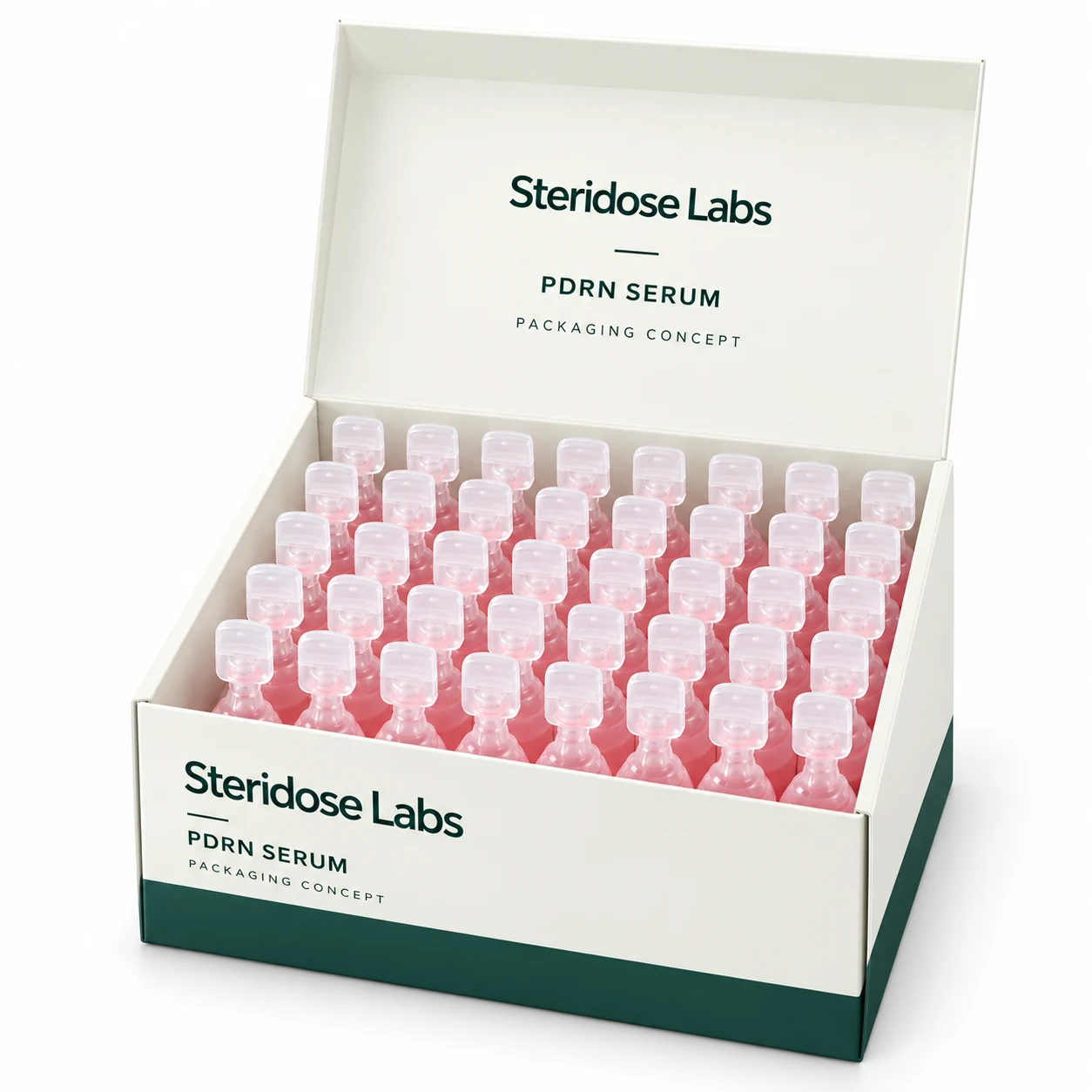
PDRN water-light pilot concept
For beauty sample kit, discovery set and travel-size serum pilots where the formula story and single-dose route need to be reviewed together.
BFS forming, filling and sealing
Form
Resin is shaped into the selected container.
Fill
The prepared liquid is filled within the reviewed process.
Seal and check
The unit is sealed, then checked against agreed requirements.
Simplified process overview. Equipment, settings and validation depend on the project.
BFS process planning
For teams that need to understand the format path, formula review and production logic before choosing a pilot route.
Project question
Can this format become a commercial SKU before scale-up?
A pilot is not just a minimum order discussion. It should create enough real units to test channel response, customer acceptance, packaging handling and repeat-order logic.
Will the format improve trial kit conversion?
Will a GWP insert feel premium enough for the brand?
Will distributors accept a channel-exclusive small-dose SKU?
Will clinic / spa staff explain the take-home routine quickly?
Will travel-size customers prefer ampoules or conventional skincare bottles?
Does the formula, filling volume and secondary pack fit the route?
Pilot depth
A pilot is different from asking for a few loose samples.
Project question
Can I get a few samples to see the package?
Can this format produce useful channel feedback and a repeatable next-order decision?
Quantity logic
Too few units to test pack-out, channel acceptance or customer response.
Enough units to support trial kits, GWP, distributor sampling or a focused launch test.
What gets reviewed
Mostly shape, visual preference and early formula handling.
Formula, fill volume, pack count, secondary packaging, channel use case and scale-up signal.
Best outcome
The team likes or dislikes the object.
Your team can decide whether to reorder, adjust or scale a single-dose module.
What the pilot can test
One pilot path for MOQ, market test and launch use case.
Trial and GWP response
Test whether customers treat the sample as a premium product experience.
Format and filling fit
Evaluate BFS ampoule or conventional skincare bottle behavior around volume, handling and secondary pack.
Scale-up signal
Use channel feedback to decide whether the next run should move beyond pilot quantities.
Clear buyer brief
Capture product type, use case, fill volume, formula status and quantity before engineering review.
Project examples
Example pilot briefs that can lead to a real decision.
Serum discovery kit
Test 7-day or 14-day single-dose ampoule routines with enough units for real feedback from a defined audience.
GWP sampling campaign
Use ampoules or small bottles to make a gift-with-purchase sample feel like a premium product moment.
Glass-to-polymer channel test
Keep the main glass ampoule line while testing a lighter BFS route for travel, sampling or distributor use.
Bottle-format comparison
Compare a conventional dropper or pump bottle with the single-dose option against the intended dose and number of uses.
Routes it can support
The same MOQ logic covers multiple customer project paths.
BFS single-dose ampoules
Conventional skincare bottles
Glass ampoule to BFS conversion
Formula and packaging compatibility review
Skincare trial kit and GWP sampling programs
Turnkey beauty partner modules
FAQ
Common questions before a pilot review.
The review process should filter vague sampling requests while keeping high-potential projects easy to start.
Why does the standard pilot usually start from 10,000+ units?
A pilot should create enough units for channel feedback, pack-out learning, user response and reorder discussion. Very small quantities may show the object, but they rarely prove whether the format can become a commercial module.
When can a 5,000-unit review make sense?
A 5,000-unit BFS run is not currently confirmed; written factory approval is required before it can be quoted.
Can the pilot include formula support?
Yes. R&D support at the selected production site can help review self-developed formulas, modification needs or NDA formula transfer before filling review when the project is a good fit.
What should be ready before submitting a brief?
Prepare product type, current packaging, liquid type, target fill volume, launch use case, expected quantity, channel plan and what result would justify scale-up.
Brief checklist
Standard BFS commercial pilot production usually starts from 10,000+ units.
A 5,000-unit BFS run is not currently confirmed; written factory approval is required before it can be quoted. These quantities refer to BFS pilots; conventional bottle and jar requirements are scoped separately.
Product type and target channel
Formula status: ready, needs modification, or needs factory R&D support
Target format and filling volume
Use case: trial kit, travel set, GWP, clinic/spa sample, private label or turnkey project
Estimated pilot quantity and expected scale-up path
Confidentiality needs, including NDA formula transfer if relevant