
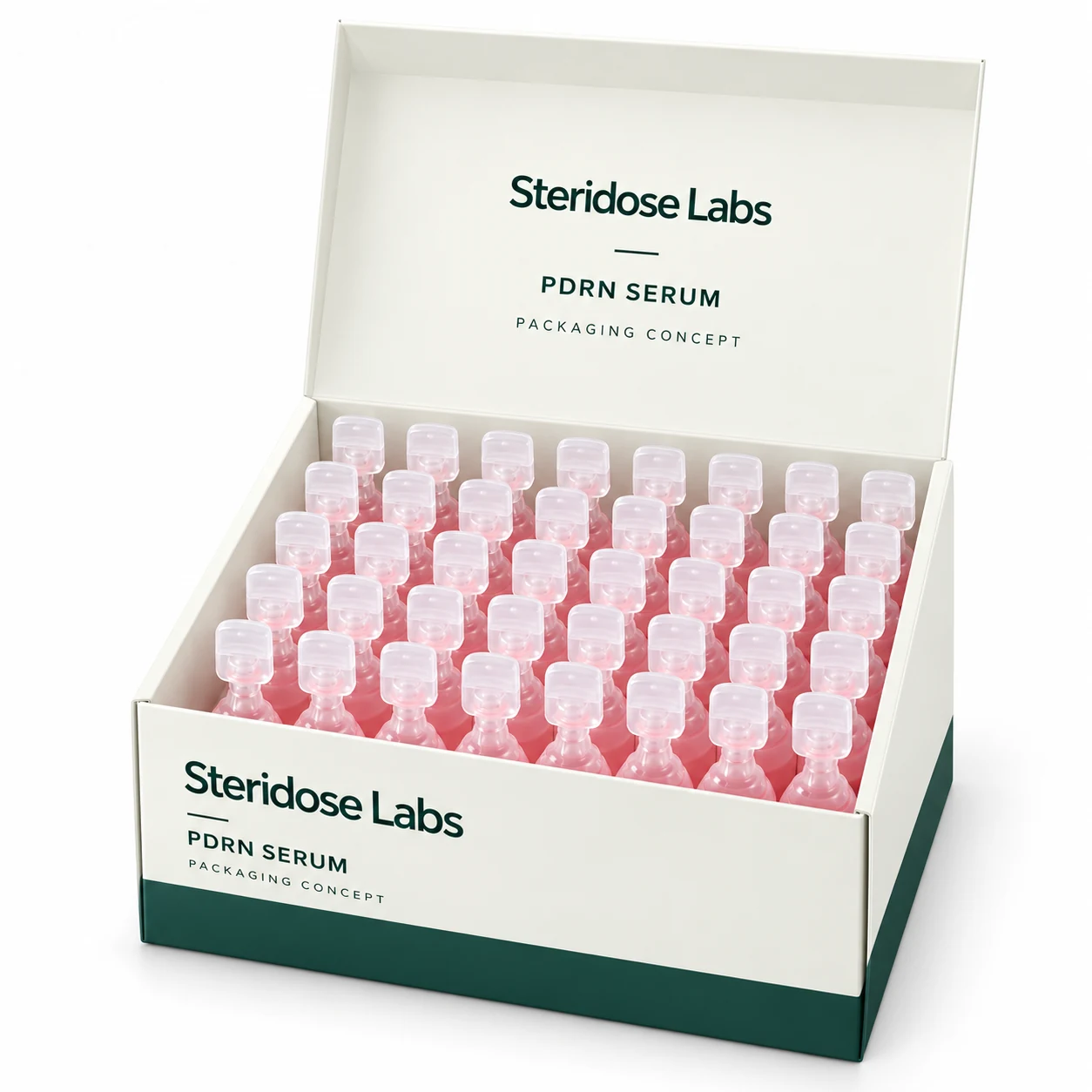
For years, glass ampoules carried a strong appeal in skincare.
They looked concentrated, professional, and premium. They were easy to associate with high-potency serums, intensive professional services, and pharmacy-style product positioning. For many brands, that visual language did a lot of work. A glass ampoule did not just hold the formula — it helped communicate efficacy, precision, and seriousness.
That is one reason the format stayed popular for so long.
But packaging decisions are changing. Brands are now under more pressure to think beyond appearance and ask harder questions about how a product actually performs in the real world. That includes shipping, handling, customer experience, breakage risk, dose control, and whether the packaging still makes sense for the product category.
In that context, more skincare brands are starting to reassess glass ampoules.
This does not mean glass has no value. In some cases, it still works. But in many modern skincare projects — especially those involving e-commerce, sensitive-skin positioning, clinic/spa sample use, or active-heavy formulas — brands are finding that the traditional glass ampoule is no longer the obvious answer.
That is why single-dose packaging is attracting more attention, and why BFS packaging is increasingly part of the conversation when teams evaluate new OEM/ODM skincare development.
Why Glass Ampoules Became Popular in the First Place
Before looking at why brands are moving away from glass ampoules, it is worth recognizing why they became so widely used.
They created an instant premium signal
Glass ampoules have a strong visual identity. They suggest concentration, discipline, and focused value. In a market full of bottles, jars, and tubes, they feel more technical and more deliberate.
For brands selling intensive serums, brightening products, anti-aging professional services, or clinic-inspired skincare, that mattered.
They supported a single-use or short-cycle story
Ampoules also fit well with product concepts built around freshness, measured use, and short routine cycles. That format helped brands frame a product as something more focused than an everyday moisturizer or dropper serum.
They borrowed credibility from professional and pharmacy-inspired aesthetics
A lot of premium skincare packaging has historically borrowed cues from professional, high-control, or professional-care environments. Glass ampoules fit naturally into that language.
So the format made sense — and in some categories, it still does.
The issue is not that glass ampoules were a mistake. The issue is that the market around them has changed.
Why More Brands Are Rethinking Them Now
The biggest shift is simple: brands are no longer judging packaging by shelf image alone.
They are looking at the full product system:
- how the product ships
- how customers open it
- how it fits daily use
- how it supports claims and positioning
- how well it works in DTC and global fulfillment
- how well it matches the formula strategy
That broader view changes the discussion.
A package that once looked premium may now feel operationally awkward. A format that once signaled potency may now create friction in shipping, opening, or repeat use. And a pack that looked elevated on shelf may no longer feel ideal for modern skincare categories built around convenience, safety, and controlled delivery.
This is especially true in segments like:
- sensitive-skin products
- professional skincare sample routines
- active-skincare products
- travel-friendly skincare
- single-dose or unit-dose concepts
- products that need a cleaner handling story
In these categories, packaging is not just aesthetic. It becomes part of the product logic.
Main Limitations of Glass Ampoules in Modern Skincare
1. Fragility remains a real operational issue
The most obvious limitation of glass ampoules is also the most persistent: they break.
That matters more today than it did when more products were sold through tightly controlled channels. As brands scale through e-commerce, cross-border distribution, and DTC fulfillment, products are exposed to more shipping steps, more handling points, and more chances for damage.
Even with protective inserts and stronger cartons, fragility does not disappear. It just gets managed at a cost.
For brands, that cost may show up as:
- damaged goods
- returns
- replacement shipments
- heavier protective packaging
- more customer service workload
At small scale, this may look like an occasional inconvenience. At larger scale, it can become part of the economics of the product.
2. The opening experience is not always as elegant as it looks
Glass ampoules can feel ritualistic in marketing photos. In real life, they are not always convenient.
Consumers may worry about:
- snapping the neck correctly
- cutting a finger
- spilling product while opening
- handling the ampoule safely after it breaks
- figuring out what to do if they do not use the full amount
Not every user will have a bad experience. But the format does require more care than many newer packaging options.
That becomes more important when a product is supposed to feel reassuring, gentle, controlled, or easy to use. In those cases, packaging friction can work against the brand promise.
3. Shipping efficiency is harder to optimize
Glass ampoules often need extra support in secondary packaging. That can increase:
- pack size
- shipping weight
- protective materials
- packing complexity
For brands that are shipping direct to consumers, those details matter. They affect not just cost, but also fulfillment efficiency and the overall product experience.
A format that looks refined in a product shot may become harder to justify when the full shipping model is taken into account.
4. The format does not always align with actual consumer behavior
Many glass ampoules are intended for single use. But consumers do not always behave exactly as brands expect.
Some save part of the product. Some open it and come back later. Some use more or less than intended. Once a glass ampoule is opened, the product is no longer being handled in a tightly controlled way.
That may not matter equally for every formula, but it becomes more relevant in categories where brands care deeply about:
- controlled use
- cleaner handling
- dose consistency
- reduced exposure after opening
- a stronger single-use product story
In other words, the challenge is not just the package itself. It is the gap between intended use and real use.
Why Single-Dose Packaging Is Gaining More Attention
As brands reconsider glass ampoules, many are not just looking for a safer container. They are looking for a more complete packaging logic.
Single-dose packaging appeals to brands because it can support several goals at once:
- clearer portion control
- easier travel and portability
- less breakage risk
- more convenient user handling
- a cleaner use-by-use story
- stronger differentiation from standard bottles or jars
That is why the conversation has moved beyond what looks premium and toward what makes the most sense for the product.
For many skincare brands, especially those building function-led or function-led products, single-dose packaging increasingly feels less like a niche option and more like a practical strategic choice.
Where BFS Packaging May Make the Most Sense
Among single-dose formats, BFS packaging is getting more attention because it combines unit-dose logic with a manufacturing approach that can support consistency, operational efficiency, and a more controlled delivery format.
For skincare brands, BFS packaging is not relevant because it sounds technical. It is relevant when the product concept benefits from a format that is:
- single-dose
- durable in shipping
- easier to handle than glass
- more aligned with controlled use
- suitable for certain functional or function-oriented categories
That makes it especially worth evaluating in the following areas.
Sensitive-skin products
Sensitive-skin positioning often depends on more than the ingredient list. It also depends on how the product is used, how cleanly it is handled, and whether the overall experience feels controlled and low-friction.
A single-dose format can support that story more naturally than a fragile snap-open glass system.
professional skincare sample routines
Products used after professional services or in professional-adjacent skincare routines are often judged more carefully on hygiene, dose clarity, and consumer confidence. In that context, packaging becomes part of the trust equation.
This is one reason BFS packaging is increasingly discussed in professional sample and clinic-adjacent product development.
Active-skincare projects
For products built around stronger actives, packaging decisions often come earlier in the development conversation.
Brands may need to think about:
- controlled use
- convenience
- freshness positioning
- light and oxygen sensitivity
- how the format supports the efficacy story
Packaging does not solve formulation challenges by itself. But it can either reinforce or weaken the product strategy.
OEM/ODM projects that need a stronger format story
In many OEM/ODM skincare manufacturing projects, packaging is not just an output. It is part of the offer.
A brand may want a format that helps support:
- a more differentiated launch
- a stronger single-dose story
- better portability
- a cleaner user experience
- lower breakage exposure than glass
In those cases, BFS packaging deserves a serious look.
Which Brands Should Evaluate a Switch
Not every brand needs to abandon glass ampoules. But some brands should clearly review whether the format still fits where they are headed.
Brands that should seriously evaluate alternatives include:
1. Brands dealing with breakage or shipping inefficiency
If a format keeps creating fulfillment pain, it may be time to rethink the package rather than keep managing the damage around it.
2. Brands selling convenience as part of the value proposition
If the product is meant to feel portable, clean, and easy to use, the opening ritual of glass ampoules may no longer support that message.
3. Sensitive-skin or barrier-focused brands
If the brand promise is built around reduced friction, careful use, and reassurance, then packaging should support that.
4. professional sample or professional-adjacent brands
If hygiene, controlled application, and use-by-use clarity matter, then packaging becomes part of category fit.
5. Active-skincare brands
If the formula story depends on precision, freshness, or thoughtful use, packaging should be evaluated as part of the total product strategy.
What Brands Should Assess Before Replacing Glass Ampoules
Switching formats is not a cosmetic update. It is a product and operations decision.
Before replacing glass ampoules, brands should assess four things.
1. Product positioning
What job is the current package doing?
If glass is mainly creating a premium visual signal, ask whether that same value could be communicated more effectively through:
- convenience
- durability
- controlled dosing
- cleaner handling
- a more modern routine format
2. Consumer experience
How does the customer actually open, use, and carry the product?
A pack should match real behavior, not ideal behavior. If the current format causes hesitation, mess, waste, or confusion, that matters.
3. Supply-chain impact
What hidden cost is tied to the current format?
That may include:
- breakage
- heavier protective packaging
- shipping inefficiency
- returns
- handling complexity
A format change should be evaluated against the full cost picture, not only the primary packaging cost.
4. Manufacturing fit
Not every OEM/ODM partner is equipped for every packaging path.
If a brand is evaluating BFS packaging or another single-dose format, it needs to assess whether the manufacturing partner can support that direction in a way that matches the product concept, formula behavior, and commercial plan.
This is where packaging, development, and manufacturing strategy need to connect.
Conclusion
Glass ampoules still carry visual value, and in some product lines they may continue to make sense. But for many modern skincare brands, the decision is no longer as straightforward as it once was.
The market has changed. Shipping models have changed. Consumer expectations have changed. And more products now depend on packaging that supports not only premium positioning, but also practicality, control, and a cleaner user experience.
That is why more brands are evaluating single-dose packaging and reconsidering whether glass ampoules are still the right fit.
For some projects, especially those involving sensitive-skin products, professional beauty care, active-skincare concepts, or newer OEM/ODM launches, the shift is less about replacing a premium look and more about building a better product system.
Steridose Labs works with brands exploring BFS filling review and single-dose skincare development. For teams reviewing whether glass ampoules still fit their product direction, that evaluation often starts with a simple question:
Does the current package still support what the brand wants the product to become?
Ready to Move This Topic Into Execution?
Use one primary path and one backup path so decision-making stays clear.