
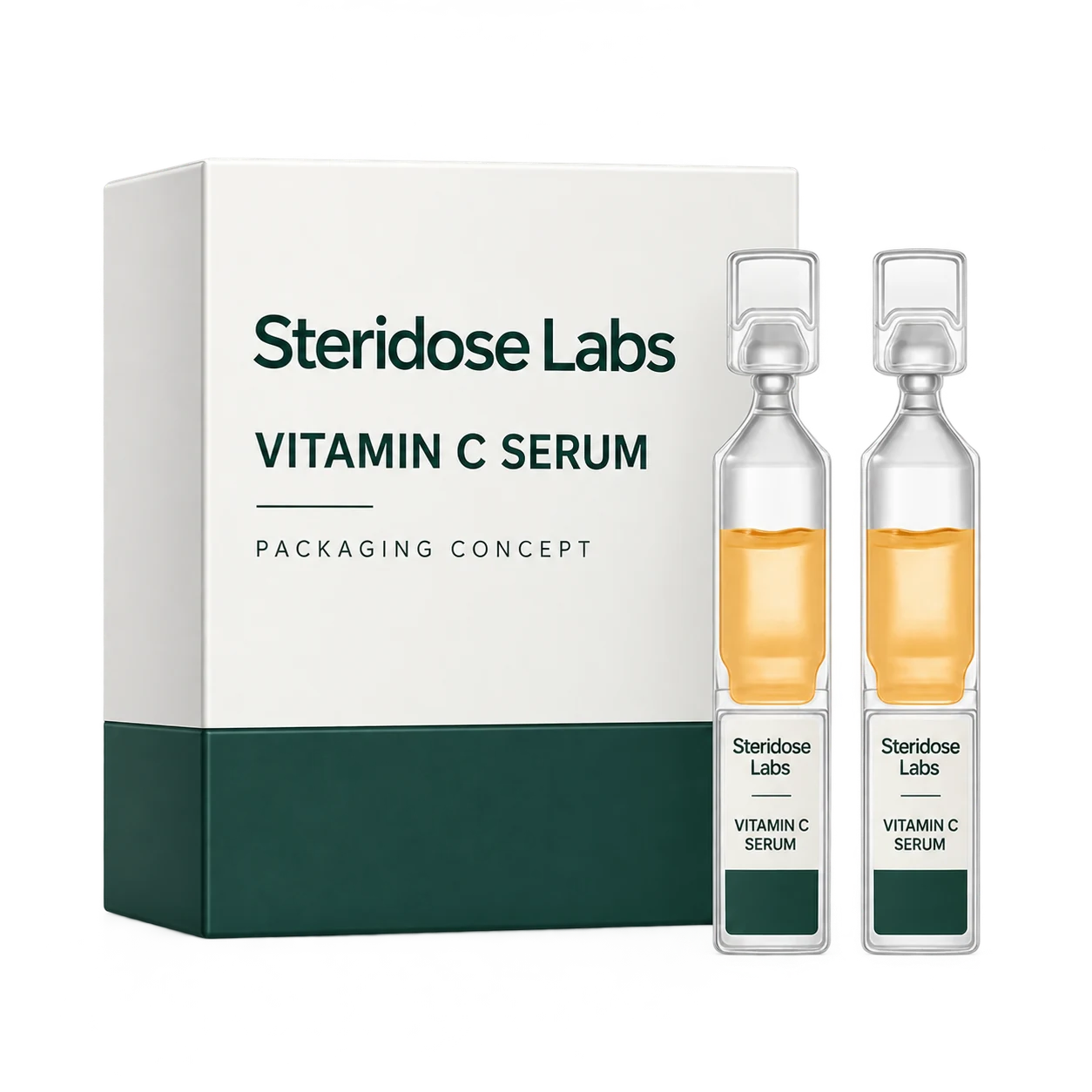
Creator seeding kits are not always searched with technical packaging terms. A brand may search for beauty sample kit, mini skincare set, single-use serum or travel-size serum before it ever discovers BFS ampoules. That makes creator seeding a useful search path for suppliers that can connect small-dose packaging with real launch behavior.
For creator seeding, the packaging needs to do more than hold liquid. It needs to make the first opening clear, reduce mess, help the creator understand the routine and make the sample feel intentional enough to be shown on camera. If the pack looks like a leftover sample, the content moment becomes weaker.
Single-dose ampoules can be useful when the brand wants measured use, compact mailing weight, routine sequencing and a premium first impression without sending a full retail bottle to every creator. The format can also help a brand test whether a formula story is easy to explain before the main launch.
The commercial question is usually not whether the creator likes the package in isolation. The question is whether the package helps the creator understand what to do, communicate the product story and give feedback that the brand can actually use. A seeding kit should therefore be planned like a test, not only like a gift box.
A practical creator kit can take several forms. A 3-day texture review can help evaluate sensory acceptance. A 7-day routine can help test repeat use. A hero-ingredient kit can compare several formulas inside one story. A channel-exclusive mini SKU can help a distributor or retail partner decide whether the product deserves a larger listing conversation.
0.5ml–20ml small-dose skincare liquid projects, depending on format and use case. BFS ampoule projects are typically reviewed around 0.5ml–10ml, while larger or special formats should be evaluated separately. The right fill volume should be chosen from the content brief and use moment, not only from the smallest available package.
Compared with sending full-size bottles, a compact single-dose kit can reduce fulfillment weight and lower product giveaway cost while still giving creators enough material to test the routine. Compared with sachets, ampoules can be easier to display, count and explain. Compared with glass ampoules, polymer formats can be lighter and less fragile for mailing.
Liquid-filled applicators are sometimes compared for targeted application, but Steridose does not currently offer swabs or applicators. For a current creator-seeding project, start with BFS ampoules and review whether a supplementary bottle, jar or traditional ampoule better fits the formula and instructions.
A seeding kit should be clear about the intended response. Does the brand want texture feedback, usage videos, before-launch comments, distributor proof, channel sampling, creator reviews or retail buyer interest? The packaging route should support the evidence needed for the next commercial decision.
Your team should prepare the target audience, product story, formula status, fill volume, sample count, mailer or carton concept, creator instruction style, first pilot quantity and feedback plan. If the team is comparing BFS ampoules with sachets or mini bottles, the format review should separate general market alternatives from the formats included in the quotation.
A useful pilot should answer five questions. Can creators understand the routine without a long explanation? Does the package look premium enough on camera? Does the dose match the use moment? Does the kit ship without unnecessary complexity? Does the response justify a larger GWP, discovery set, retail sample or distributor program?
Creator seeding is also useful for formula and packaging learning because creators often notice friction quickly. They may point out whether the opening step is intuitive, whether the amount feels enough, whether the pack is easy to store, whether the sample looks premium and whether the routine can be explained in a short video. That feedback can be more practical than a general survey.
This route is not ideal when the brand has no defined audience or content objective. If the only goal is to send free product broadly, a simpler sample route may be enough. BFS single-dose ampoules become more useful when the seeding campaign is connected to a launch decision, distributor feedback, GWP planning or full-size conversion strategy.
For launch teams planning creator content and buyer education, creator seeding can also create useful themes: first-use serum review, 7-day serum kit, travel-size routine, mini skincare set, beauty sample kit and single-use serum. Those topics match how buyers describe the need before they know the technical packaging route.
Standard BFS commercial pilot production usually starts from 10,000+ units. A 5,000-unit BFS run is not currently confirmed; written factory approval is required before it can be quoted. For teams searching creator seeding kit or skincare sample kit ideas, the next step is a format-fit review that connects the formula, content objective, pack-out and scale-up path.
Ready to Move This Topic Into Execution?
Use one primary path and one backup path so decision-making stays clear.