
Most pilot runs fail for one simple reason: teams use them to prove optimism, not to reduce uncertainty.
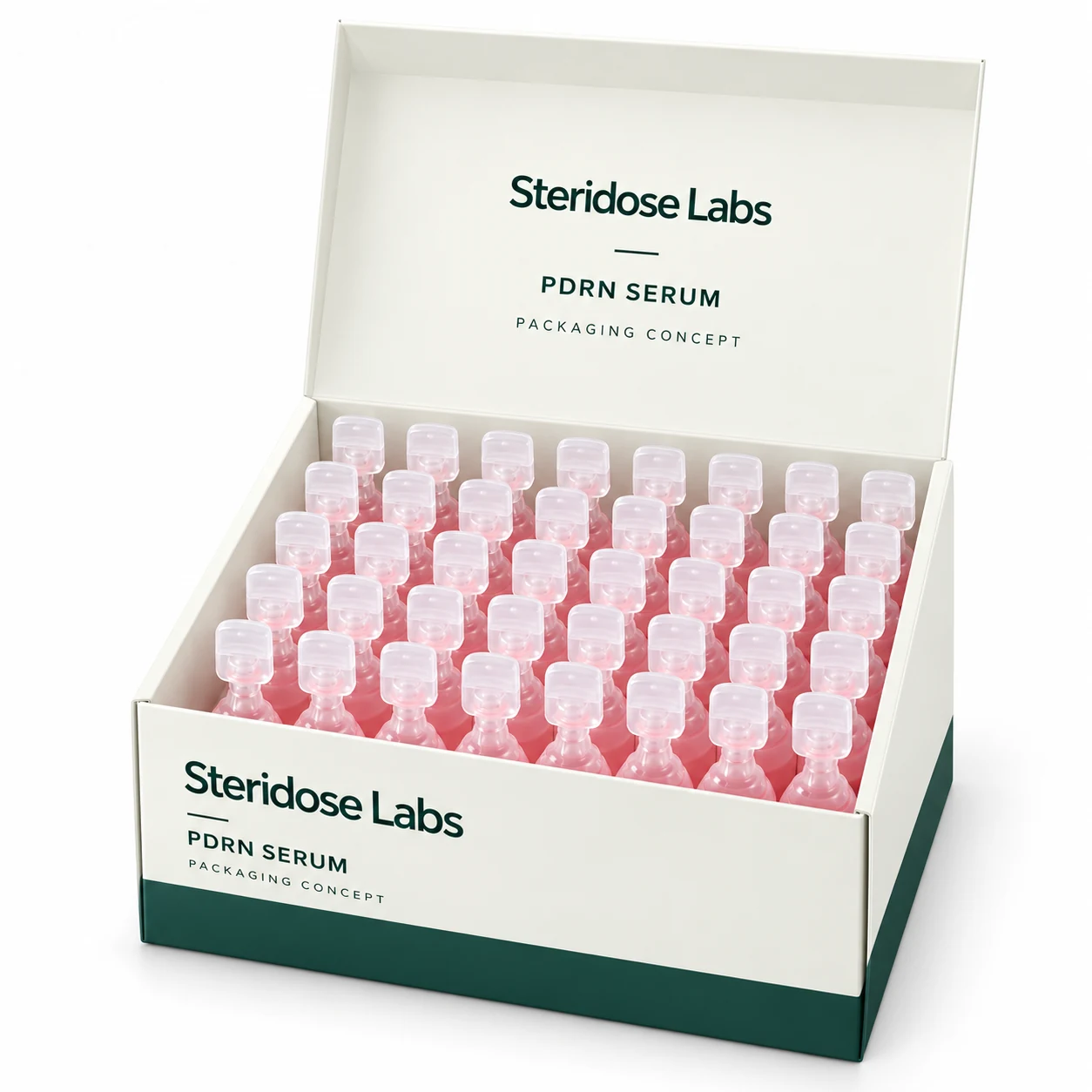
Quick answer: pilot run packaging should prove whether the formula, fill volume, package integrity, opening experience, and line setup can survive the move from bench sample to commercial MOQ. For single-dose skincare OEM, the pilot should end with a scale, revise, or pause decision, not only a box of samples.
A real pilot is a decision instrument. Its purpose is to answer whether your formula, packaging path, and execution model are stable enough to scale without hidden rework costs.
Why pilot run packaging matters before MOQ scale-up
For single-dose skincare OEM, the biggest scale failures usually come from transfer ambiguity, packaging-process mismatch, and weak exception handling during production.
Pilot run packaging should be treated as a validation tool, not only a sample milestone. Use it to test formula transfer, fill-volume practicality, opening experience, package integrity assumptions, visual standards, and the quotation inputs needed before commercial MOQ planning.
If you are comparing BFS contract manufacturing suppliers, use the pilot to confirm supplier fit before you negotiate only on unit price. Strong pilot planning should expose formula viscosity limits, package material questions, in-process scrap signals, and documentation gaps early enough to correct them.
Three rules for a useful pilot
The first rule is scope discipline. One hero formula, one packaging path, one channel scenario. If too many variables move at once, pilot data becomes noisy and non-actionable.
The second rule is pre-defined pass/fail gates. Before pilot starts, agree on fill consistency, defect rate, in-process stability signals, release timeline reliability, and documentation completeness.
The third rule is split readiness into two tracks: technical readiness and commercial readiness. Technical readiness asks if the process can run consistently. Commercial readiness asks if MOQ and inventory assumptions still make economic sense.
Stage-gate sequence
A useful stage-gate sequence is: Gate 0 scope lock, Gate 1 line and material readiness, Gate 2 engineering run, Gate 3 pilot run, Gate 4 post-pilot decision review.
A pilot run packaging checklist should include formula viscosity and fill-volume range, package compatibility, seal integrity, dispensing behavior, retain-sample plan, visual defect standards, stability observation plan, documentation owner, and the first realistic MOQ scenario.
At Gate 4, allow only three outcomes: scale now, focused second pilot, or pause and redesign. Ambiguous outcomes destroy execution speed and hide risk.
Common mistakes
Common mistakes include choosing pilot quantity from optimistic demand, skipping cross-functional review, and treating pilot as a client milestone instead of a decision checkpoint.
For teams building a supplier brief, connect the pilot plan to three pages: the OEM pilot run solution, the single-dose manufacturing capability page, and the MOQ planning guide.
If your team is currently planning scale-up, start with OEM pilot run planning, then align launch quantity assumptions at single-dose skincare MOQ planning before final commitment.
Ready to Move This Topic Into Execution?
Use one primary path and one backup path so decision-making stays clear.